
What was studied?
The research first used dynamic combinatorial chemistry (DCC) to investigate how chirality influences the self-assembly preferences of short cysteine-rich peptides. Longer peptides with alternating L- and D-amino acids were then investigated for their ability to form uncommon β-helical structures, with particular focus on β-double helices as potential building blocks for accessing entangled peptide architectures. Finally, the peptide strands forming these double helices were connected through disulfide bonds to explore the formation of higher-order β-helix bundles.
What were the results of the study?
The research showed that chirality has a significant effect on peptide self-assembly. While short homochiral peptides mainly formed small structures, the heterochiral peptides produced more diverse assemblies. Longer alternating L,D-peptides formed stable β-double helices, with changes in the amino acid sequence affecting their formation and stability. In some cases, connecting peptide strands through disulfide bonds subsequently enabled the assembly of new higher-order β-helix bundles with tightly intertwined strands.
How can the results be applied? What new insights did the research contribute?
The findings demonstrate that peptide chirality, amino acid sequence and disulfide bonds can be combined to influence how peptides fold and assemble. This provides new insights into the design of complex peptide architectures and how their topology can be controlled. The approach offers a promising foundation for developing more complex linked and knotted peptide structures and investigating how their topology could affects their properties.
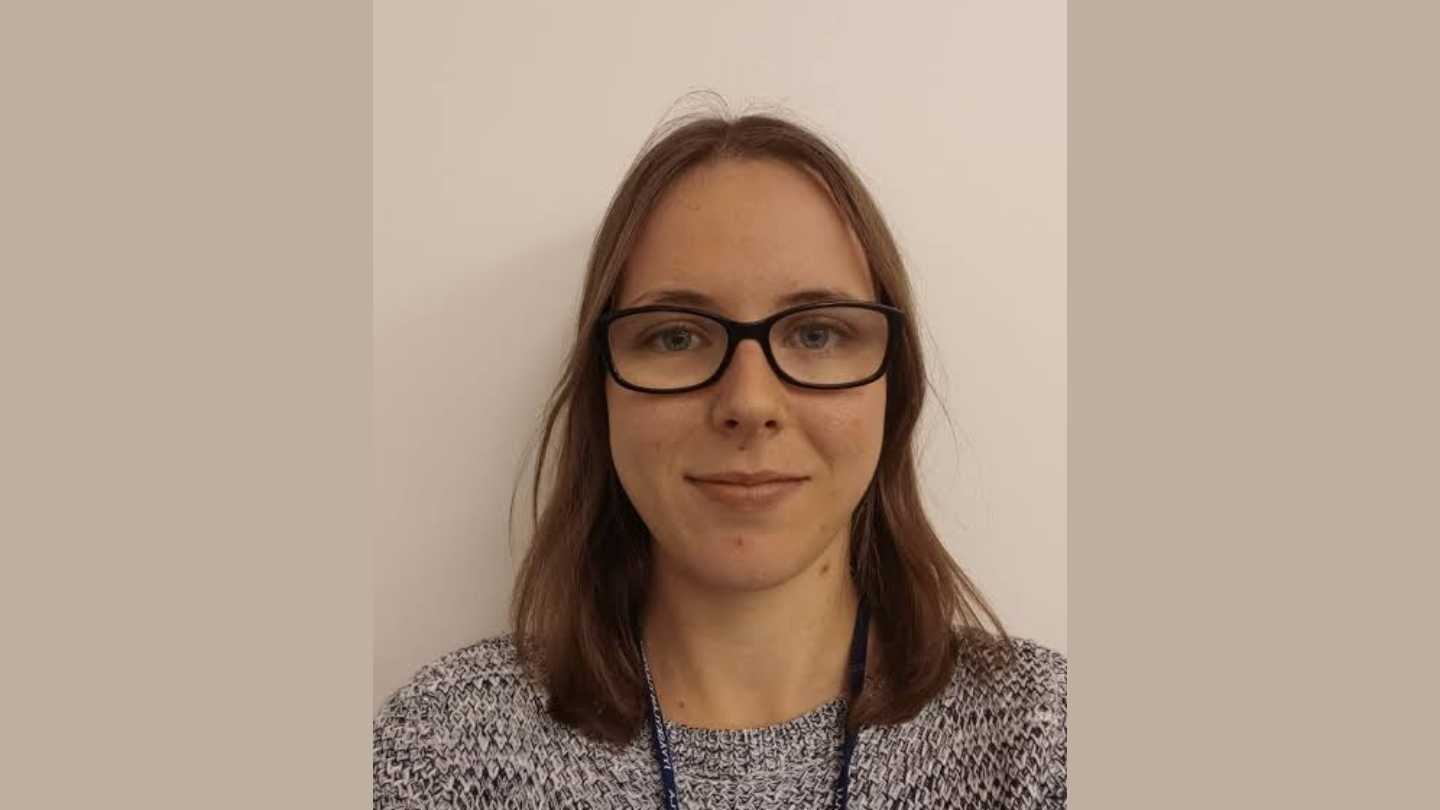
M.Sc. Alice Gable defends her doctoral dissertation “Exploring the Conformational Behavior of Heterochiral Peptides: A First Step Toward Entangled Proteins?” on September 28th 2026 at 12:00 in Seminarium, lecture hall S212, University of Jyväskylä. The opponent isDistinguished Research Professor Javier Montenegro (University of Santiago de Compostela) and the custos is Professor Fabien Cougnon.
The dissertation is available online at JYX. The language of the dissertation is English, and the event can also be followed online here.

