
Dissertation: A collaborative leadership in Pakistani universities is negotiated through culturally and religiously shaped ideas about gender, legitimacy, and appropriate interaction
What did you study?
The dissertation examined collaborative leadership in higher education institutions through conceptual and empirical research, with a particular focus on how culture, gender and sociocultural norms shape leadership practices in Pakistani universities. The study explored how collaborative leadership is understood in existing literature and how it is negotiated in organizational life within a non-Western society such as Pakistan’s socio-cultural context.
What were the results of your study or what is its main finding?
The dissertation shows that collaborative leadership is not a culturally neutral or universally transferable leadership model. Instead, leadership collaboration in Pakistani universities is shaped by culturally and religiously embedded expectations about hierarchy, legitimacy, morality, and gender roles. The findings revealed that informal male-dominated spaces, such as Otaq, play a central role in leadership collaboration while simultaneously limiting women’s participation. The study also found that male managers act as important gatekeepers who adopt different strategies toward women’s involvement in collaborative leadership practices.
How can the results be applied? What new insights did the research contribute to the topic?
The findings can be applied in higher education institutions, leadership development programs and policymaking by helping organizations design more culturally sensitive and gender-aware leadership practices. The study highlights the importance of creating organizational environments where participation and collaboration are supported without ignoring local sociocultural realities and gender dynamics.
The dissertation contributes new insights to collaborative leadership research by showing that collaborative leadership is not a universally transferable leadership model. Instead, its meaning and possibilities are shaped by culture, religion, gender norms, and informal organizational practices. By examining collaborative leadership within the sociocultural context of Pakistani universities, the study broadens existing leadership theories that have mainly been developed in Western contexts and offers a deeper understanding of how collaboration, authority, and participation are negotiated in organizational life.
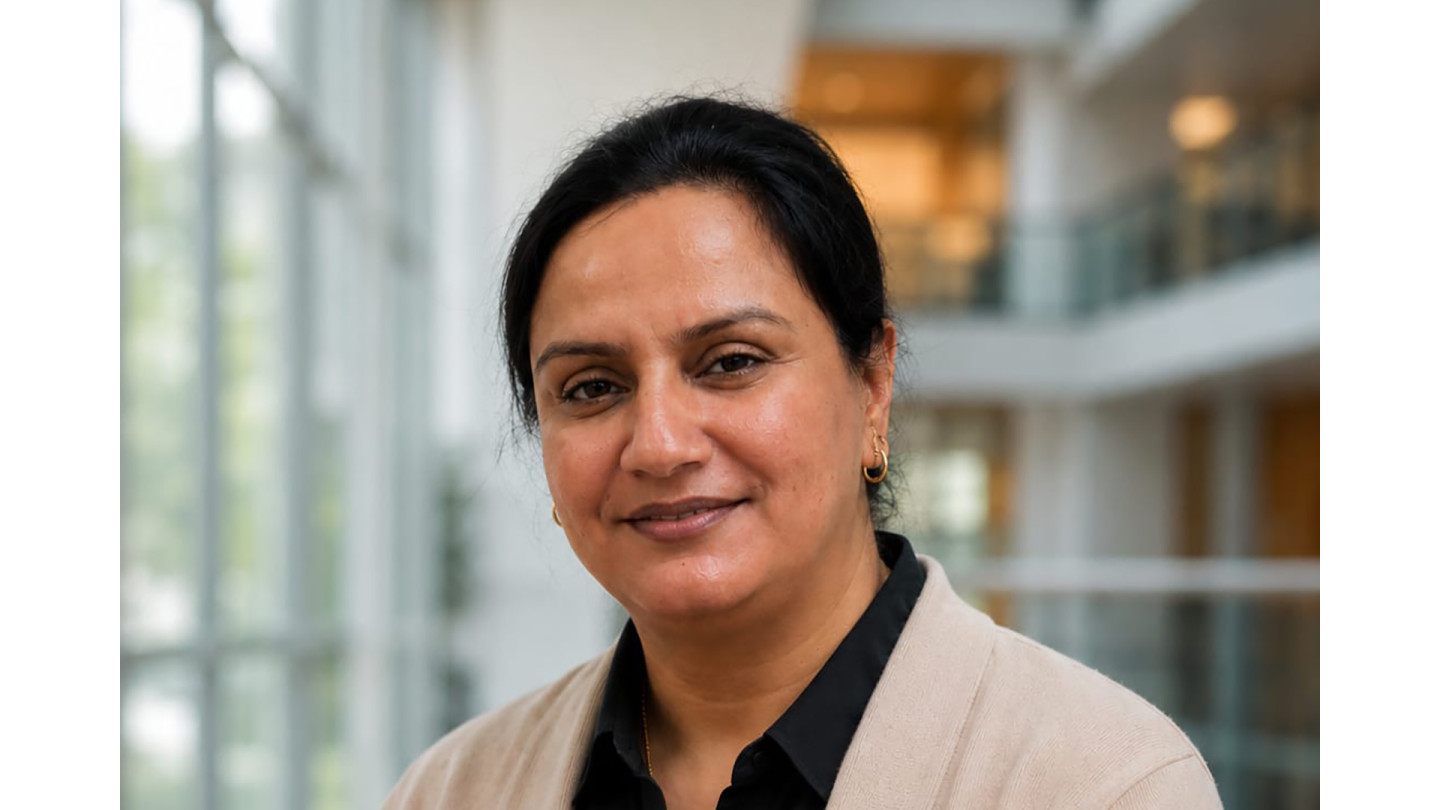
MA Shabnam Shaikh defends the doctoral dissertation in Management and Leadership "Collaborative Leadership: A Conceptual and Empirical Inquiry into Higher Education Organizations" on 11 June 2026 at 12.00 noon in the Agora Building (auditorium 3). The opponent will be Professor Päivi Eriksson (University of Eastern Finland) and the custos Associate Professor Suvi Heikkinen (University of Jyväskylä).
The event is held in English.
Read more about Shabnam Shaikh's dissertation.
Contact information:
Shabnam Shaikh
shabnam.a.shaikh@jyu.fi
+358 46 573 0009


