
Learning to Live with Fire: Possibilities and Limits for Cohabitability
Fire historian Steven Pyne has described the era into which we are entering as a “pyrocene”, an age whose realities will be shaped by fire. Fire regimes have changed across much of the planet, with longer fire seasons, and more frequent and severe wildland fires. This shift is a joint product of climate change, and local or regional histories of land use and land management practices. In particular, the practice of chasing fire from the landscape has dramatically changed the structure of forest ecosystems.
This talk will center on how states have historically understood their responsibilities with respect to wildland fire, and how the relationship to fire has been produced by interactions between the state and capital. In the United States, conceptions of private property rights, and the limits of state encroachment on those rights, had a powerful effect on the state’s (and the nation’s) relationship with fire. The talk intends to elicit a discussion about whether more social democratic political contexts might allow for a different relationship with fire – one that contemplates or enables the cohabitability of wildland fire and human populations.
About the presenter
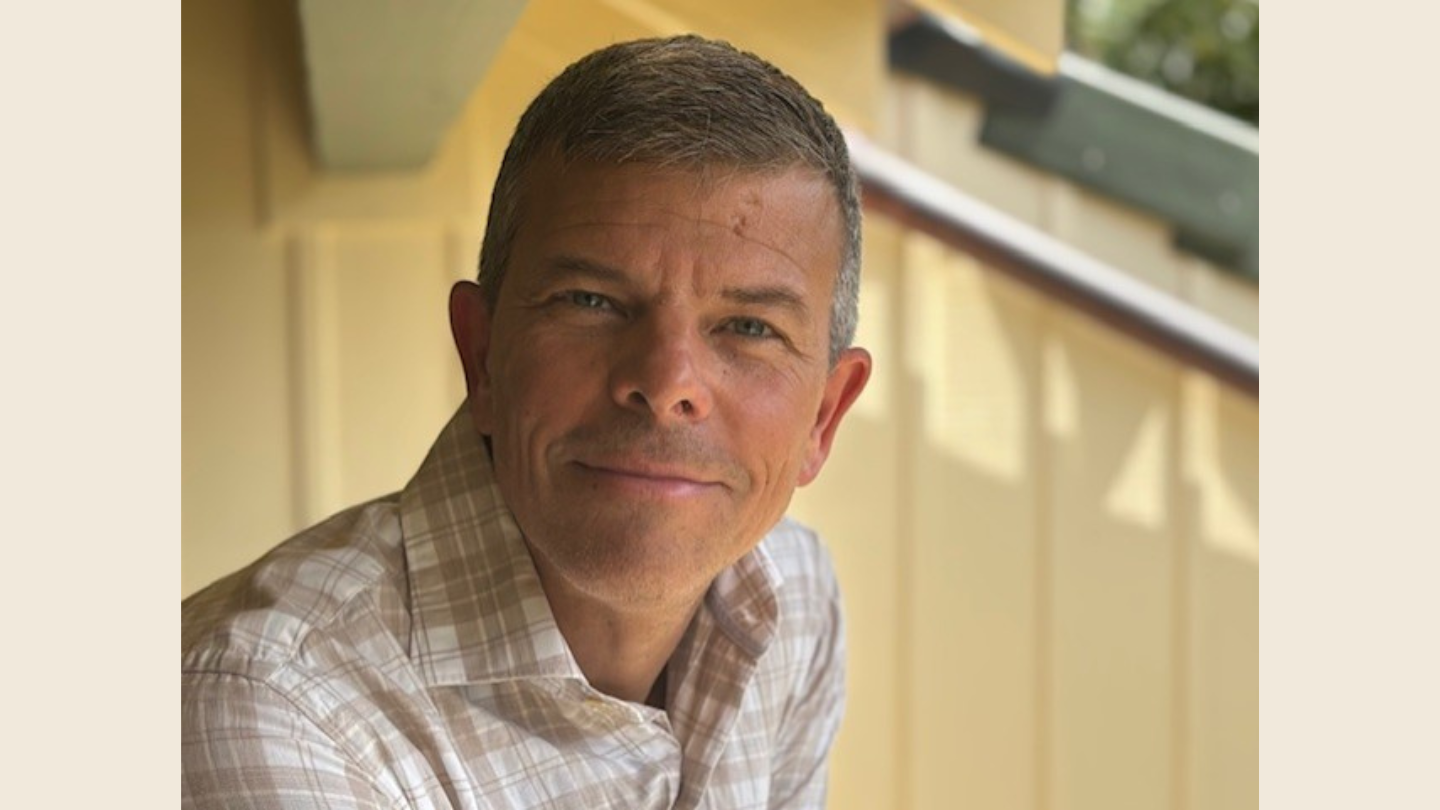
Mark Hudson is a Professor of Sociology and Criminology at the University of Manitoba, and the author of Fire Management in the American West: Forest Politics and the Rise of Megafires. Mark’s research focuses on how capitalist political economy shapes human relationships with nature, considers possible alternatives to the current structure of human-non-human relations. Within this framework, Mark has explored coffee production in southern Mexico and the implications of the Fair Trade system, the conceptualization and treatment of non-human nature under neoliberalism, the perspectives and attitudes of union workers toward climate change and energy transition, anti-democratic politics in the oil sands of Alberta, the political economy of consumption and consumerism, the history of labour environmentalism, and the experiences of coal workers in the process of energy transition.
Mark is currently a JYU Visiting Fellow, working with Assistant Professor Teea Kortetmäki as part of the COHAB project. While in Finland, Mark is inquiring into the experience and future prospects of reintroducing fire in the boreal forest. The key question he is pursuing in collaboration with Teea Kortetmäki is what an environmental ethics of cohabitability might entail, especially with respect to ecological processes – like wildland fire – that are simultaneously necessary and hazardous for human communities.
Join the event on-site or online
We encourage you to take a moment away from your desk and participate on-site, where coffee and tea will be served and the discussion may continue after the event ends. However, remote participation is also possible. You are warmly welcome to join the event either way!
To join online, use the link below. In addition, use your own name as you join to be let in from the waiting room.


