
Dissertation: Artistic Training Reshapes the Brain – Study Reveals Enhanced Sensitivity to Light and Warm Colors
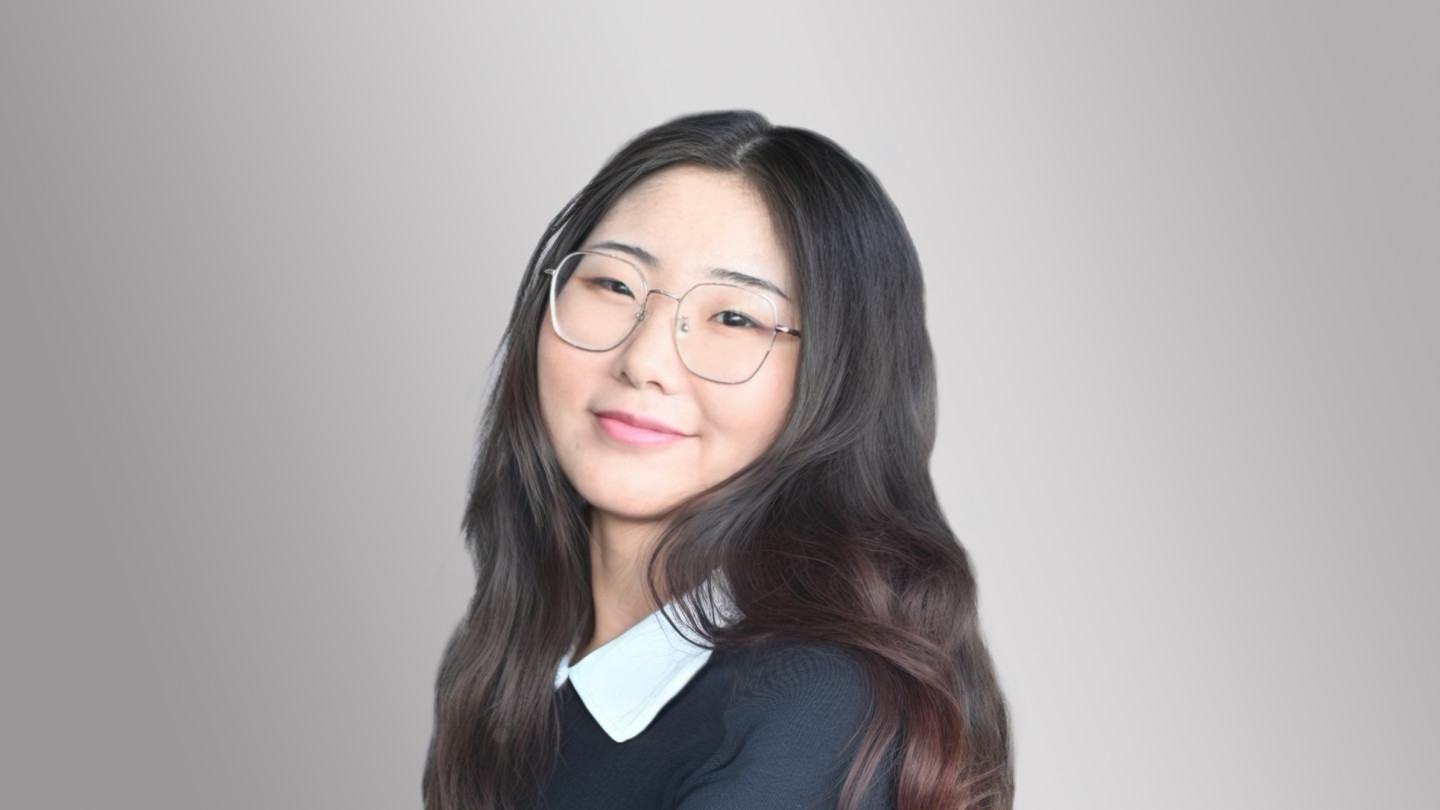
Doctoral researcher Liting Song from University of Jyväskylä faculty of information technology found out that long-term visual arts training can fundamentally alter how the brain processes color. The study found that individuals with an artistic background exhibit stronger neural responses to high-brightness colors and a heightened emotional preference for warm hues like red and orange.
The research used electroencephalography (EEG) to record brain activity of both people with formal artistic training people with no artistic training.
“Study participants were divided into two groups. Into a group with at least three years of formal artistic training and to another group with no such background,” Song explains.
The participants viewed and evaluated a series of colors systematically varying in brightness, saturation, and hue, while their brainwaves and behavioral ratings were simultaneously recorded. EEG can record brain activity with millisecond precision.
"Our goal was not only to observe behavioral differences but to capture the brain's fleeting electrophysiological signals as it processes color, to understand the 'neural moments' shaped by artistic training," Song explains.
Artists viewed colors with greater emotional engagement and had a stronger positive emotional bias toward warm colors
Song says that the findings suggest that artistic practice can actively shape the brain’s neurocognitive pathways related to seeing and feeling color. She highlights three key findings from the study.
Firstly, when viewing high-brightness colors, the art group showed significantly stronger activity in key neural components linked to attention and emotional evaluation, which suggests their brains process luminance information more efficiently and with greater emotional engagement.
Secondly, while everyone in the study preferred warm colors, the art group exhibited a distinct response pattern during the very early stage of brain processing (around 150-250 milliseconds, reflected in the P2 wave).
According to Song this indicates that artistic experience may fine-tune the brain's initial, automatic processing of emotionally significant colors.
Finally, behavioral data confirmed that the art group had a stronger positive emotional bias toward warm colors. This perfectly aligns with the neural evidence, showing that professional practice reinforces the link between specific colors and positive effects.
"This means that an artist's brain doesn't just see color differently, but it interprets and feels it through a richer, experience-informed lens,” Song says.
These findings can help UX and visual communication teams design experiences tailored to specific groups, such as trained designers, rather than relying on assumptions about how all users respond to color. They also support the development of color strategies that adapt to the needs and sensitivities of different audiences.
The results also point to future opportunities in wellbeing and rehabilitation. Identifying neural markers of color sensitivity may eventually support color‑based tools for mood, focus, or cognitive recovery.
MFA Liting Song defends their doctoral dissertation "Color Processing with and without Artistic Training: A Neurobehavioral Perspective".
Opponent is Professori Marcos Nadal (Universitat de les Illes Balears, Spain) and Custos is Associate Professor Tuomo Kujala (University of Jyväskylä).
The language of the dissertation and the event is English.
The event can be followed in Ag B122.1 Alfa, Agora or online at https://jyufi.zoom.us/j/67766010962
For more information
MFA Liting Song
Researcher
liting.l.song@jyu.fi

