
Dissertation: Gaming graphics cards harnessed to simulate quantum matter – computation sped up over a hundredfold and supported the first observation of an Alice ring
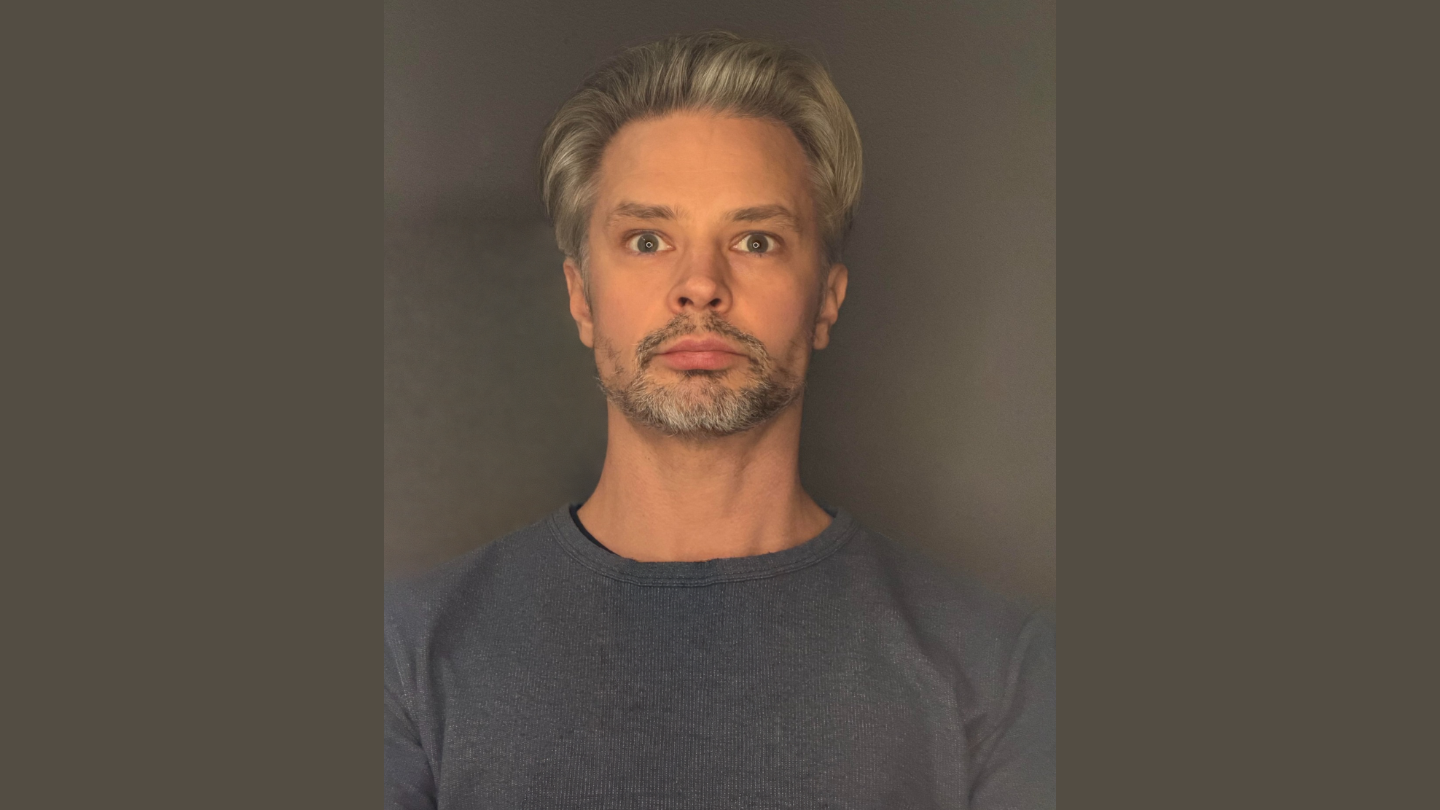
What did you study?
I studied computer simulations of Bose–Einstein condensates. A condensate is a state of matter cooled to near absolute zero, in which a large number of atoms behave like a single quantum particle. Condensates can host vortices, knots and other topological structures that are very demanding to simulate: the state of the entire condensate must be recomputed millions of times in succession.
What were the results of your research?
I developed a method that makes the simulations more accurate and much faster. I showed that the commonly used cubic grid can distort the simulated physics, whereas lattices that mimic natural crystal structures reproduce the theoretical predictions correctly. I implemented the method on graphics processing units familiar from gaming PCs, speeding up the computation by up to 152-fold compared with a conventional processor. I also reformulated the equations describing the condensate, which brought a further twofold speedup.
How can the results be applied?
Simulations are needed to design and interpret experiments, as they reveal the condensate’s complete structure, of which measurements capture only a part. My simulations supported the first experimental observation of an Alice ring – a quantum vortex predicted 20 years earlier that turns a monopole passing through it into its opposite, as if it had stepped through the looking-glass. The simulations showed that the ring survives for about a tenth of a second, nearly ten times longer than imaged in experiments – long enough to study this looking-glass property experimentally in the future.
FM Markus Kivioja defends their doctoral dissertation "Numerical Simulation of Bose–Einstein Condensates Using Discrete Exterior Calculus" on November 21 at 12. Opponent is Professor Olivier Pironneau (Sorbonne Université, France) and Custos is Senior Lecturer Sanna Mönkölä.
The language of the event is English. The event can be followed in the hall Agora auditorio 1.
Further information: markus.i.kivioja@student.jyu.fi

