
What did you study?
I researched how professional NGOs mediate language policy and English language teaching in Pakistan in the context of post-9/11 reforms, donor influence, and security-related agendas. I specifically focused on two professional organizations, the Society of Pakistan English Language Teachers (SPELT) and the Linguistic Association of Pakistan (LAP). I used 26 semi-structured interviews with NGO members to examine how they interpret, negotiate, and implement language policy at ideological, institutional, and pedagogical levels.
What were the results of your research or what is its main outcome?
The key finding is that language policy in Pakistan is not simply a top-down process designed and implemented by the state, donors, provincial governments, or ministries. Rather, it is a discursive and social process negotiated through everyday practices and institutional interactions. Professional NGOs play a crucial mediating role by interpreting, adapting, negotiating, and sometimes resisting language policies as they move between global agendas and local educational contexts.
The study also shows that postcolonial legacies, post-9/11 donor agendas, and institutional practices collectively shape language policy and English language teaching in Pakistan. English language teaching has increasingly been positioned within development, modernization, and counter-extremism agendas, while NGO members and teachers continue to exercise agency by reinterpreting and negotiating these policy pressures in local contexts.
How can the results be applied? What new information did the study bring to the topic?
The research highlights the importance of involving local educational organizations and practitioners in language-in-education reforms, rather than treating policy implementation as a one-way process directed by governments and donors. The findings can help policymakers, donor agencies, and educational organizations design language policies that are more responsive to local needs, multilingual realities, and institutional contexts.
The study brings new knowledge by identifying professional NGOs as influential but often overlooked mediators of language policy. It also provides a multi-level understanding of how postcolonial legacies, donor influence, and institutional practices interact to shape language policy and English language teaching in Pakistan. In addition, the research draws attention to how the growing emphasis on English may contribute to the marginalization of Pakistan's many local and regional languages, reinforcing existing linguistic inequalities within education.
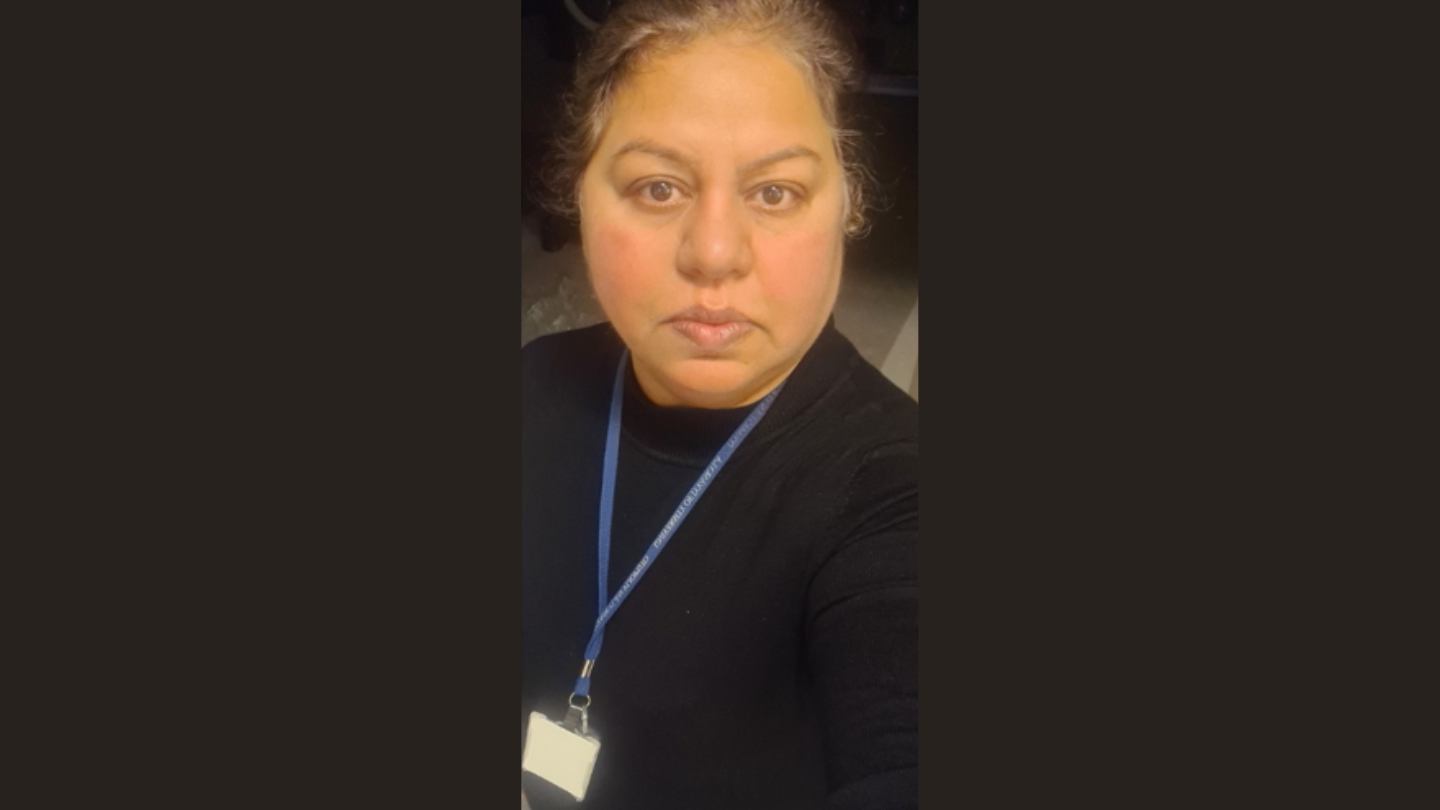
MA Rukhsana Ali defends their doctoral dissertation in applied language studies (CALS) "Post-9/11 Pressures, Talibanization, and State–Donor Entanglements: NGO Mediation of Language Policy in Pakistan". Opponent is professor Ruanni Tupas (University College London) and custos is research professor Taina Saarinen.
Language of the event is English. It is possible to follow the event online.


