
How does physical activity affect our bodies? New professor Riikka Kivelä investigates these effects at the cellular and molecular level
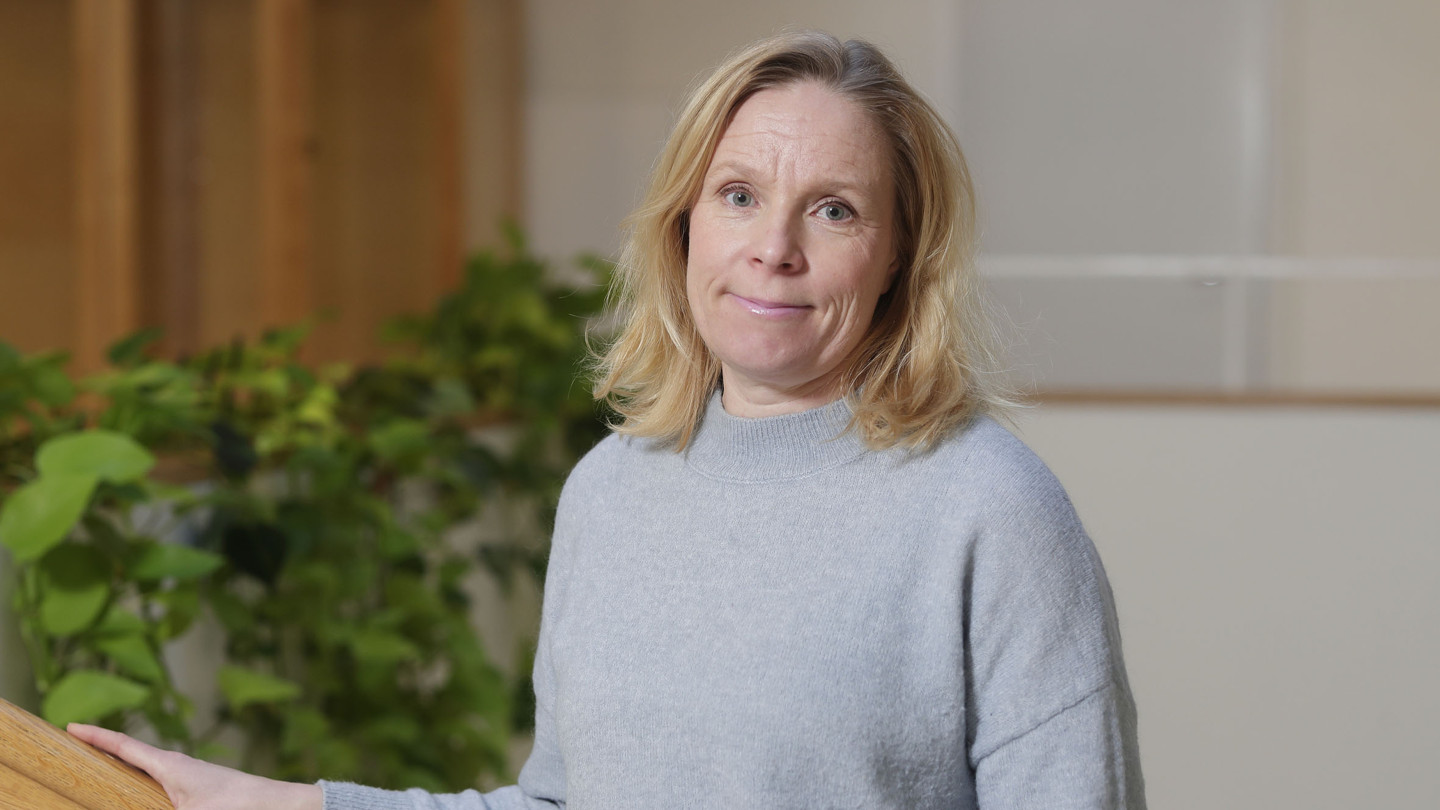
We all know that physical activity is beneficial for health, but the cellular and molecular level mechanisms underlying these effects are still poorly understood.
“My research team concentrates on finding out how overweight, aging, and different cancers impact the vascular system, heart, and muscles,” Kivelä says, “and also how harmful changes can be prevented or hindered by physical activity.”
Understanding of the molecular mechanisms underlying the health effects of physical activity makes it possible to develop new, more effective means for the prevention and treatment of cardiovascular diseases as well as metabolic diseases.
“The goal is that our research outcomes will lead to treatment strategies to keep the heart, muscles, and vascular system healthy, prevent aging-related diseases and improve the quality of life as we grow older.”
Physical activity is modelled in the lab by stressing cells
Kivelä’s team studies physiological phenomena from the cellular and molecular level to tissues and even the whole body.
“We are actively developing new research models. For example, we conduct studies where we model physical activity by subjecting cells to mechanical stress in laboratory conditions. We can, for instance, stretch or electrically activate cells in the lab and achieve effects similar to physical activity in terms of gene expression,” Kivelä says.
The research team is multidisciplinary, including exercise physiologists, cellular and molecular biologists as well as specialists in bioinformatics. The team is also engaged in close cooperation with several research teams in Finland and abroad.
In her research work, Kivelä is fascinated by the ideation of new studies, the discovery of new knowledge and the learning of new things. The multidisciplinary work community and collaborative atmosphere support success in her work.
“The freedom of academic basic research should be fostered, since it enables the generation of genuinely new ideas and important observations,” Kivelä points out.
“I am extremely interested in understanding how our physiological system works. It is inspiring to be involved in producing new knowledge for the prevention and treatment of diseases so that we can live longer in better health.”
In addition to physical activity and health research, high-performance sport has always been a passion for Kivelä. She has been a board member in the Finnish Institute of High- Performance Sport KIHU since 2025.
“My own sport and coaching career is in endurance sports, but with my sports journalist father, I got to follow all sorts of sports.”
Riikka Kivelä completed her doctoral degree in exercise physiology in 2008, after which she worked as postdoctoral researcher in a research team led by Academician of Science Professor Kari Alitalo, as well as an Academy Research Fellow and research team leader in the Faculty of Medicine at the University of Helsinki. Kivelä returned to the Faculty of Sport and Health Sciences, University of Jyväskylä, as an associate professor in 2021. She has also worked as a visiting researcher at the University of Uppsala. Kivelä’s research team is a part of the Wihuri Research Institute, which is focused on the research of cardiovascular diseases and is based at Biomedicum in Helsinki.
Further information:
Professor Riikka Kivelä
University of Jyväskylä, Faculty of Sport and Health Sciences
riikka.m.kivela@jyu.fi, +358 40 596 8961


