
It’s not just about trying hard: Forced migrants face structural barriers to well-being in Finland
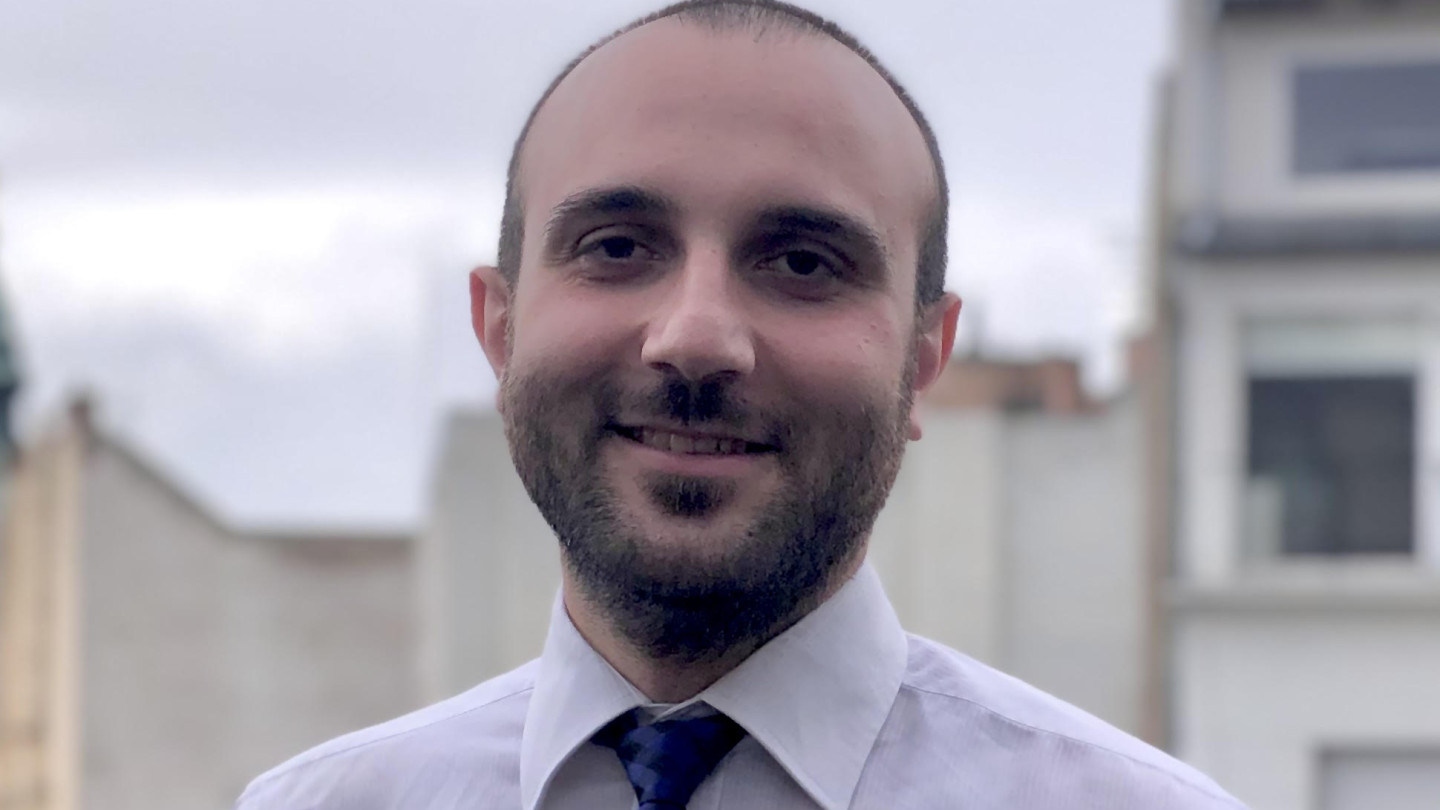
Areen Nassar´s doctoral dissertation shows that restrictive immigration policies, passive integration programs, and xenophobic societal attitudes limit forced migrants’ legal security, employment prospects, and social connections, all essential components of a good life in Finland. These barriers are systemic, embedded in Finnish society, and cannot be overcome by individual resilience, motivation, or effort alone.
“Many believe that forced migrants are fully responsible for their own well-being and that living well depends solely on their effort,” says Areen Nassar, PhD researcher at the University of Jyväskylä.
“This research shows that societal structures, including policies, social systems, and public attitudes, play the decisive role.”
In pursuit of well-being
Nassar argues that increasingly restrictive immigration policies, cuts to integration programs, and rising xenophobic attitudes risk deepening inequalities and further marginalizing individuals experiencing forced migration.
The dissertation emphasizes that inclusive policies, supportive integration programs, and initiatives that foster social connections are essential for creating a society where forced migrants can do more than survive; they can truly live well. Achieving this requires a critical understanding of social problems, ethical commitment to equality, collaboration across sectors and professions, and recognition that well-being is a shared societal responsibility, not solely an individual one.


