
Zoo-PUFA

Project description
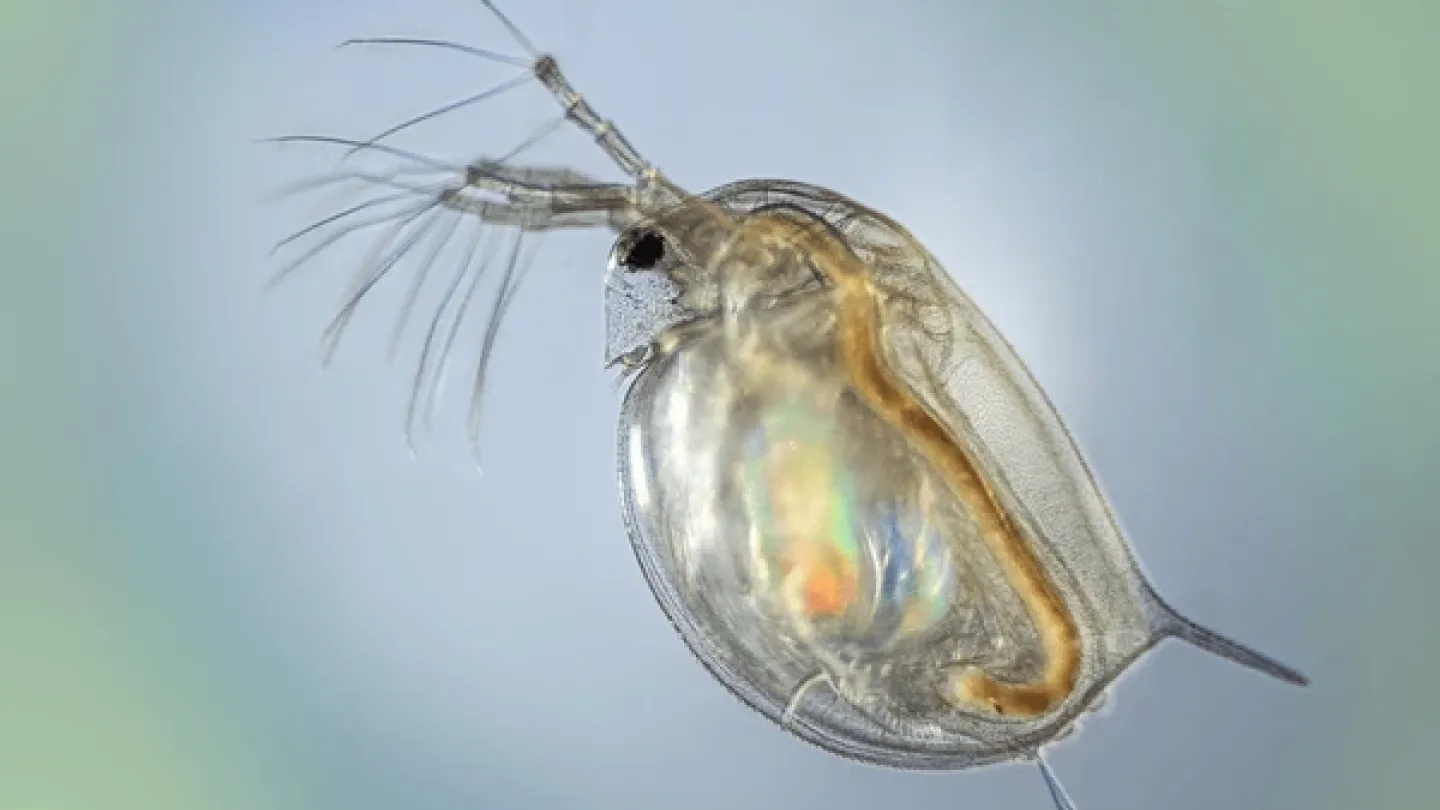
Global warming and eutrophication increase the abundance of low nutritional quality cyanobacteria over high quality algal phytoplankton in lake ecosystems, which decreases the dietary quality for zooplankton, fish, and ultimately humans. The Zoo-PUFA project will challenge the current concept that autotrophic primary producers are the only or even primary source of physiologically essential fatty acids in aquatic food webs. We study the unknown mechanisms of how zooplankton and fish compensate for low-nutritional diets in lake ecosystems in order to determine how ecosystems may adapt to environmental change.
We aim to characterise the biosynthetic pathway of long-chain polyunsaturated fatty acids (LC-PUFAs) in the major groups of freshwater pelagic invertebrates and compare the bioconversion efficiency to planktivorous fish. We will then evaluate the degree of secondary endogenous production of LC-PUFAs in zooplankton and planktivorous fish using an experimental approach. Finally, we will determine how zooplankton community structure and food-chain length influence the transfer efficiency of LC-PUFAs in boreal lakes across Finland.


