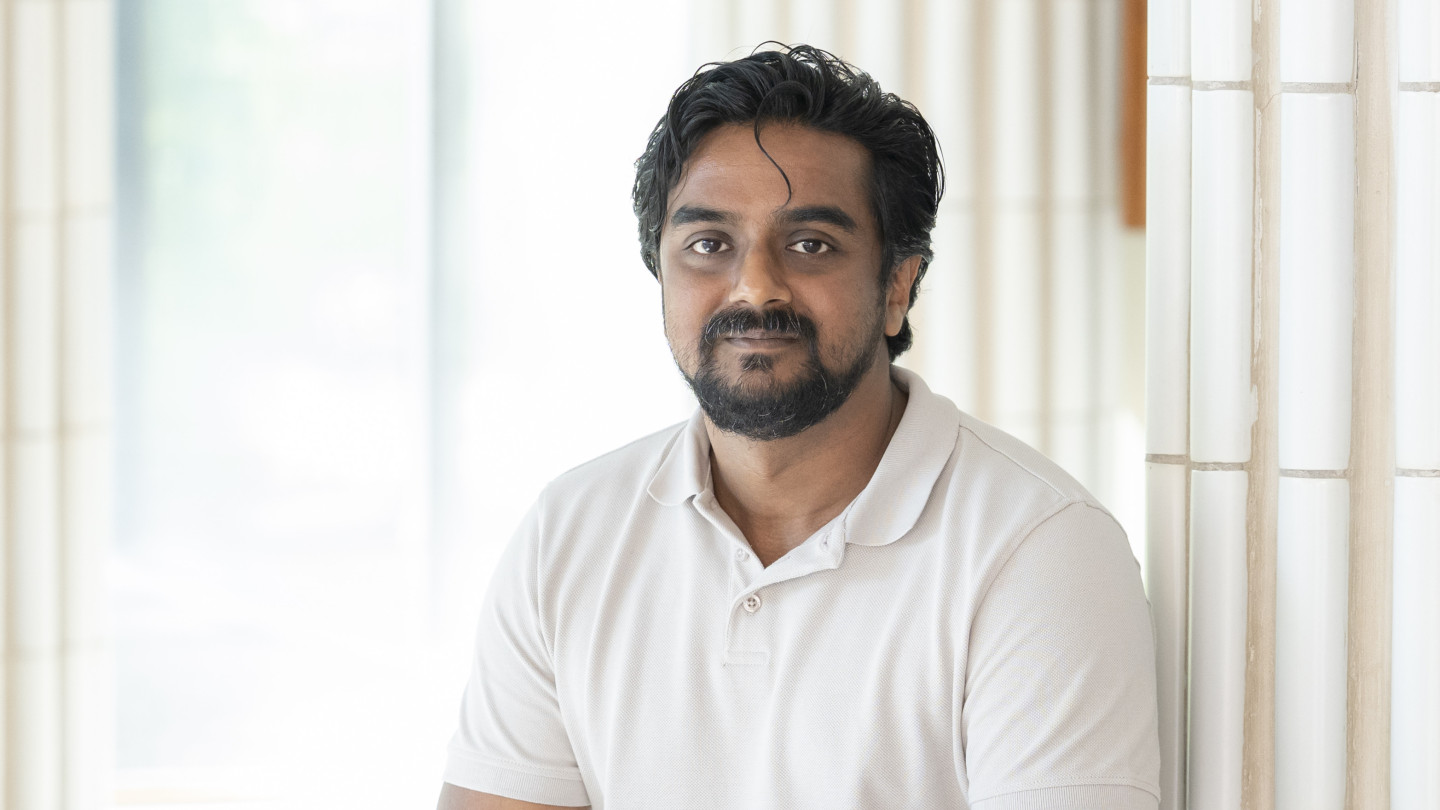
From Architecture to Intercultural Communication
Studying architecture in Bangladesh gave me a different perspective on what university looked like. My learning involved practical classroom sessions, fieldwork, and exploring how people lived in various environmental and economic conditions. It was an education that encouraged and taught me to observe my surroundings and understand the relationship between people and the spaces they inhabit.
However, my first master’s degree in Media and Communication shifted that perspective. Compared with architecture studies, it involved more classroom sessions, lectures and assignments. When I applied to the University of Jyväskylä to study Language, Globalization and Intercultural Communication, I began to think of a more conventional picture of attending lectures, following presentations, completing coursework and taking exams.
Classrooms without Borders
One misconception was corrected when I arrived in the orientation week was that my two years of studies would not be around the same group of classmates all the time. Every course introduced me to new people, perspectives and experiences, each bringing their own cultural backgrounds, education experiences and ways of interpreting the world. Some of these encounters eventually turned into friendships that extended beyond the classroom.
Another unexpected discovery was the relationships between professors and students. Having come from a different educational background I was surprised how easy it was to approach professors and how natural classroom conversations and discussions developed. I could question an argument or introduce an entirely different perspective. They encouraged me to explain my reasoning, reflect on my assumptions and explore ideas more deeply. It did not take me long to realize how essential this process was to learning.
The aim was not to arrive at a correct answer, but rather to understand why and how we arrived at our conclusion.
Studies got me questioning what I knew
My perception of cultures came from travelling to a few countries with brief encounters with people and mostly came from books, films, news reports and other forms of media. Meeting people from different parts of the world and working alongside them made me realize how limited my understanding was. I realized how hard it is to recognize assumptions behind impressions until someone with a different lived experience questions them.
Through courses exploring language, discourse, identity and communication, I began noticing the depth of meaning that a simple gesture, words or expressional can be held, and how any of those can be interpreted differently depending on the context and the people involved.
Courses like Language and Discourse, Introduction to Intercultural Communication and Globalization changed my perception of how I understood the world around me. Courses provided me with the tools to understand how languages have shaped our identities, how media influenced our perceptions and how power and cultural backgrounds affect the way we communicate. It fascinated me to discover the hidden meanings that ordinary conversations, photographs, news articles or even a few phrases might hold in everyday interactions. Many of those meanings might be completely overlooked.
I Have Learned That Learning Happens Everywhere
Every time I think about it, I find it fascinating how two seemingly unrelated disciplines have taught me something remarkably similar; to observe, question and understand the world beyond what is immediately visible. I found myself questioning my own assumptions, discovering perspectives that I had never considered and realising how much there is to learn from people around me.
What I truly appreciate is how learning once again is no longer confined to just classrooms, textbooks or assignments. It happens through conversations with friends, disagreements in group discussions or simply when observing my surroundings that I might have overlooked before.
I still do not know the answers to most of the questions my studies have raised and I suspect that for many I never will. But I have begun to become comfortable with that uncertainty as I understand that understanding people and cultures is a process and there is always another perspective worth considering.
I came to the University of Jyväskylä expecting to study how people see the world differently. I never imagined how much it would change the way I see it myself.
Share this article