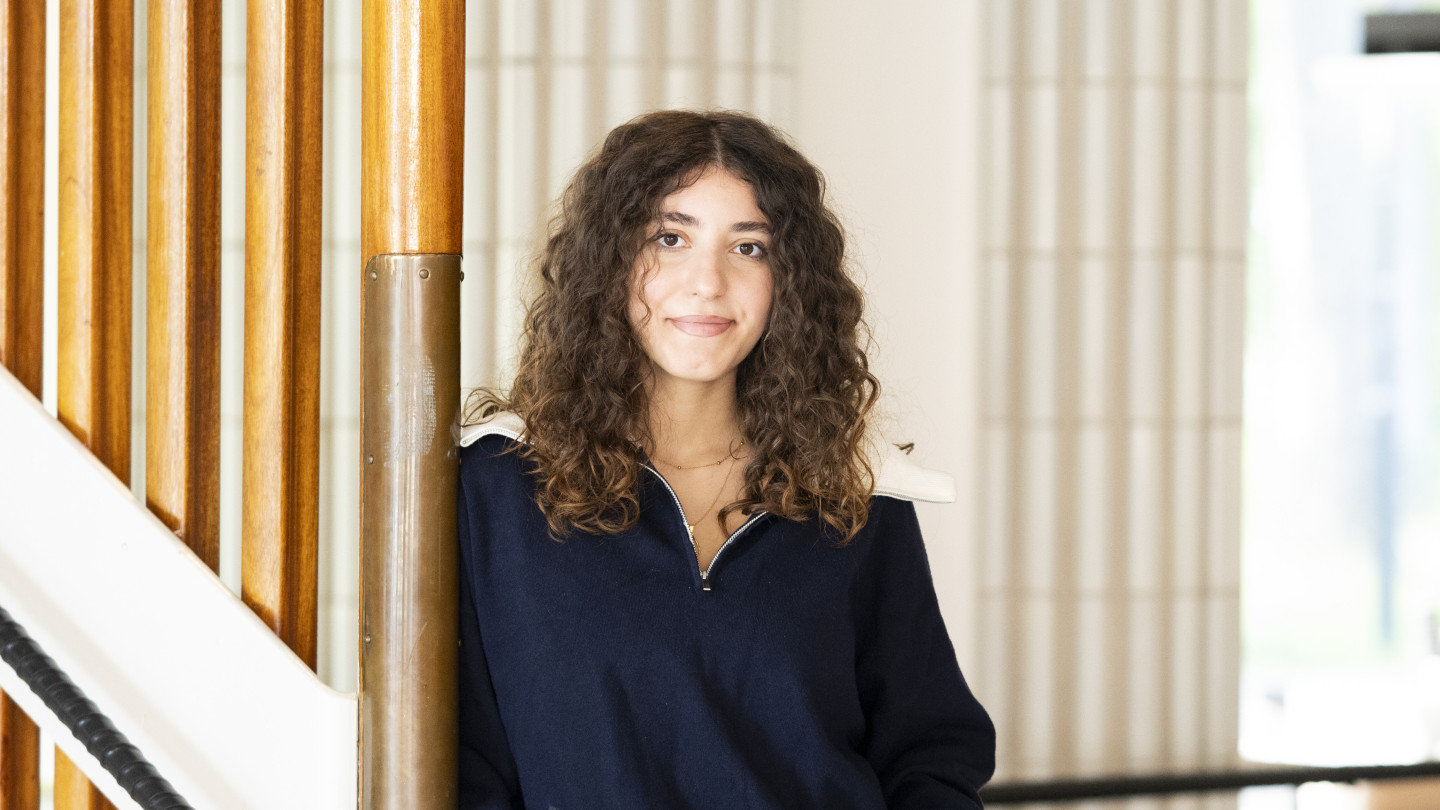
The turning point between what I wanted and what was best for me
When we are five, we imagine the wildest things about our future. Maybe some of us watch action movies and decide that we want to become police officers or firefighters, helping others and becoming heroes. Maybe we admire an athlete and think we want to become just as talented and hardworking. Or perhaps we look at our parents and the adults we admire so much and think, "That's who I want to be".
I had my share of wild, dreamy career ideas as a kid. But somehow, I ended up studying something very similar to my father's degree. The same father who, before I was twelve, I wasn't even sure what he did for a living. I had never been interested enough to ask.
But as they say, sometimes something can be right under your nose without you noticing it until one day you finally do.
That's the story of how I became interested in understanding more about the world economy and the different forces that shape it. Before I knew it, I was using my own knowledge and the experiences of people close to me to explore business degrees and understand what each of them could offer.
The Degree That Matched My Expectations of Business Studies
Over the years, I had heard the same thing many times from people around me, especially those with long experience in the corporate world: “business is more than textbooks. It's about turning theory into practice and learning how things actually work.”
My first real interest in the BIS degree began when I read about the structure of the programme, what our main courses would be like, what would be expected of students, and what the learning outcomes of each course would be.
It felt more meaningful to me than simply attending courses and passing tests. From my first semester, I understood that the programme required much more involvement with teachers and classmates. We needed to learn how to work as a group, solve real-life business cases, and bring our own creativity into the process.
I had researched different business degrees and what they could bring me after graduation. However, one word in the BIS degree description caught my attention more than any other: sustainability.
After taking some of our courses that focused on sustainability, my understanding of its importance became much broader than I had expected. It felt as though every theory and strategy we studied came with an underlying question: “is there a better way to manage this? Is there a better way for it to operate?”
I have learned a whole new way to think about business
Dare I say, I did not have a clear vision at the beginning of how my studies would shape my understanding of sustainability and the business world. I didn't really know what to expect or what studying in BIS programme would actually look like.
Now, after more than a year of studying this degree, I have had the chance to experience some of what may become the most remarkable parts of my journey.
In some of my basic and intermediate courses, we were required to keep learning diaries based on our lectures. We were not only expected to apply what we had learned from the lectures and slides, but also to argue, add our own experiences, and show how these theories could apply to our daily lives or situations we see around us.
After a couple of months, this made me realize something: business is part of a much broader social science landscape, and we use aspects of it every day, often simply through the rules, norms and models that shape our lives.
It not only helped me think more critically about what I study and the information I come across. It also changed my perspective on what I will learn at university. It became more than something I could apply only to my professional life in the future. I started seeing every piece of knowledge I gained as another way to understand, improve and think about how I move through my everyday life.
A glimpse into studying BIS
Most of our lectures are not simply based on what textbooks explain. Lectures and group projects tend to focus more on examples, discussions and the key ideas behind each subject, while textbooks are often additional material to help students prepare for exams and study independently.
As I became used to this system, I became more comfortable explaining and applying what I had been taught rather than simply reading what I was supposed to learn and reproducing it in assignments or exams.
We have also had seminars as part of some of the most important courses in our programme, from basic to advanced levels. We have heard from multiple guest speakers in different courses, giving us the opportunity to learn from people with real experience and professional backgrounds.
Sometimes, we have had the chance to meet them, network, hear their advice, and even learn about opportunities they are involved in or know about. In other cases, we have heard from professors from different universities, both within Finland and abroad. This has allowed us to hear different perspectives and develop a wider, more international mindset.
Finding a Balance Between Studies and Free Time at JYU
At the beginning, I did not fully understand the positive effects that the academic culture at JYU and other Finnish universities could have on my studies.
One thing I noticed was that there is not much hierarchy between students and professors during lectures. I can share my opinion, ask questions, and come up with my own ideas without feeling that doing so is rude or disrespectful.
Another surprise for me has been the balance between student life, studies and personal life. It has been rare for me to feel that I need to give up all my time with friends, hobbies or simply resting in order to spend it on university. Of course, there have been busy periods, especially around exams and the end of semesters, but they have usually been short periods rather than an everyday reality.
Something else that was completely new to me was taking many of my exams as e-exams. Instead of having one fixed date, I can often choose from several available dates for taking an exam. This gives me much more freedom when planning my schedule.
And perhaps that is one of the things I have appreciated most about studying here: I am not only learning how business works. I am also learning how I want to work, learn, and shape my own future.
Share this article