
Even ticks have a place in the world – discover their role at Researchers’ Night
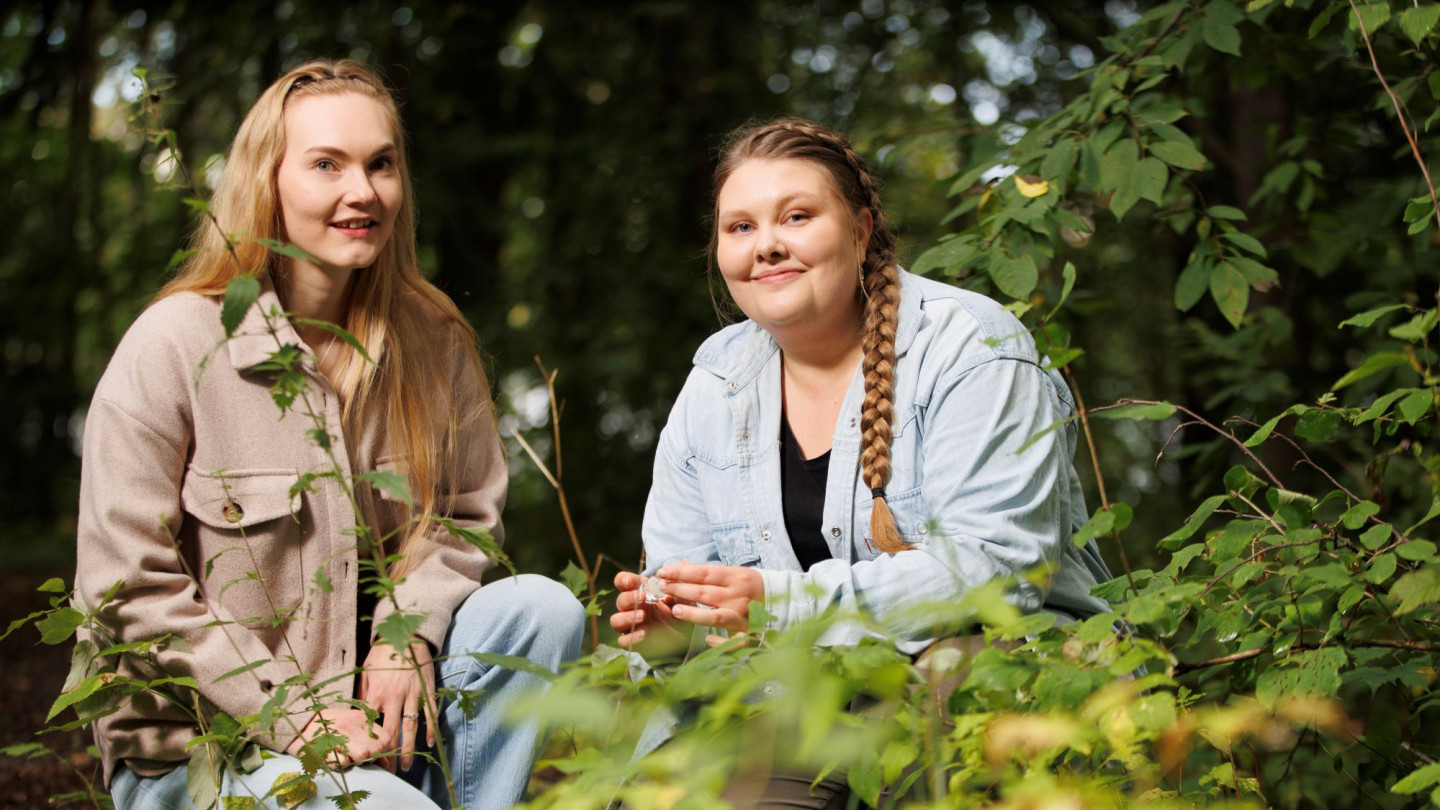
Ticks are almost always portrayed as archvillains in public discussion. The mere mention of ticks brings to mind diseases, tick removers and carefully checking trouser legs. However, biologist and doctoral researcher Saija Vuorenmaa from the University of Jyväskylä asks us to set aside the human perspective for a while.
She sees ticks as part of nature and not just as a nuisance to humans. In nature, ticks are not there to ruin anyone’s summer.
“From nature’s perspective, ticks are simply part of the diversity of species,” Vuorenmaa points out.
On Friday, she and her fellow researchers will be at Researchers’ Night in Jyväskylä to show us what place ticks occupy in the natural ecosystem.
Parasitism is a successful strategy in nature
It is tempting to imagine a world without ticks. Liimatainen and Vuorenmaa acknowledge that tick-borne diseases could indeed become less common. People might feel more at ease when spending time in nature.
At the ecosystem level, the situation is more complex, however.
“In nature, parasitism is an age-old and well-working strategy, and ticks, too, have their place in the network of species. Even though they do not constitute an irreplaceable source of nutrition for any predator species, they do have their own place and inherent value as part of nature.”
“The disappearance of ticks could also have unexpected consequences that we are unable to foresee,” says Vuorenmaa.
What would happen without ticks?
If ticks were suddenly wiped out, the ecological niche they left behind would not necessarily remain empty for long, Saija Vuorenmaa suggests.
Parasites regulate and balance host animal populations, and another species could take their place, with similar consequences.
As a part of nature, ticks can also reveal a lot about the state of their environment. Ticks react to changes in temperature and humidity, and their success is largely dependent on the condition of their host animals, such as small mammals, birds and artiodactyls.

Don’t let ticks spoil your relationship with nature
You should not let fear erode your relationship with nature.
Biologist and project coordinator Elli Liimatainen from the University of Jyväskylä summarises this aptly:
“Once dressing appropriately and checking for ticks become routine, you can venture into the forest with peace of mind,” says Liimatainen. “
After all, the health and well-being benefits that forests provide considerably outweigh the potential risks.”
“When crossing a road, you should always look both ways for traffic, but the existence of traffic does not stop us from crossing roads altogether.", says continues Saija Vuorenmaa.
Researchers’ Night offers programme on JYU and Jamk campuses
You can learn more about the fascinating world of living organisms and biodiversity at Researchers’ Night on Friday 25 September. Ticks and other natural survivors are presented in a programme session entitled “The Forest’s Secret Underworld” at the Department of Biological and Environmental Science on the Ylistönrinne campus.
The multidisciplinary Researchers’ Night programme offers experiences and insights for all age groups. The University of Jyväskylä is offering activities on all three campuses: Ylistönrinne, Mattilanniemi and Seminaarinmäki. There will be nearly 90 interactive stands and activities organised by researchers.
The programme is also offered by Jyväskylä University of Applied Sciences (JAMK) at its main campus on Rajakatu.
Admission to the event is free. Come along and be inspired!


