Research collaboration enhances tungsten recycling
Tungsten is a rare and versatile element
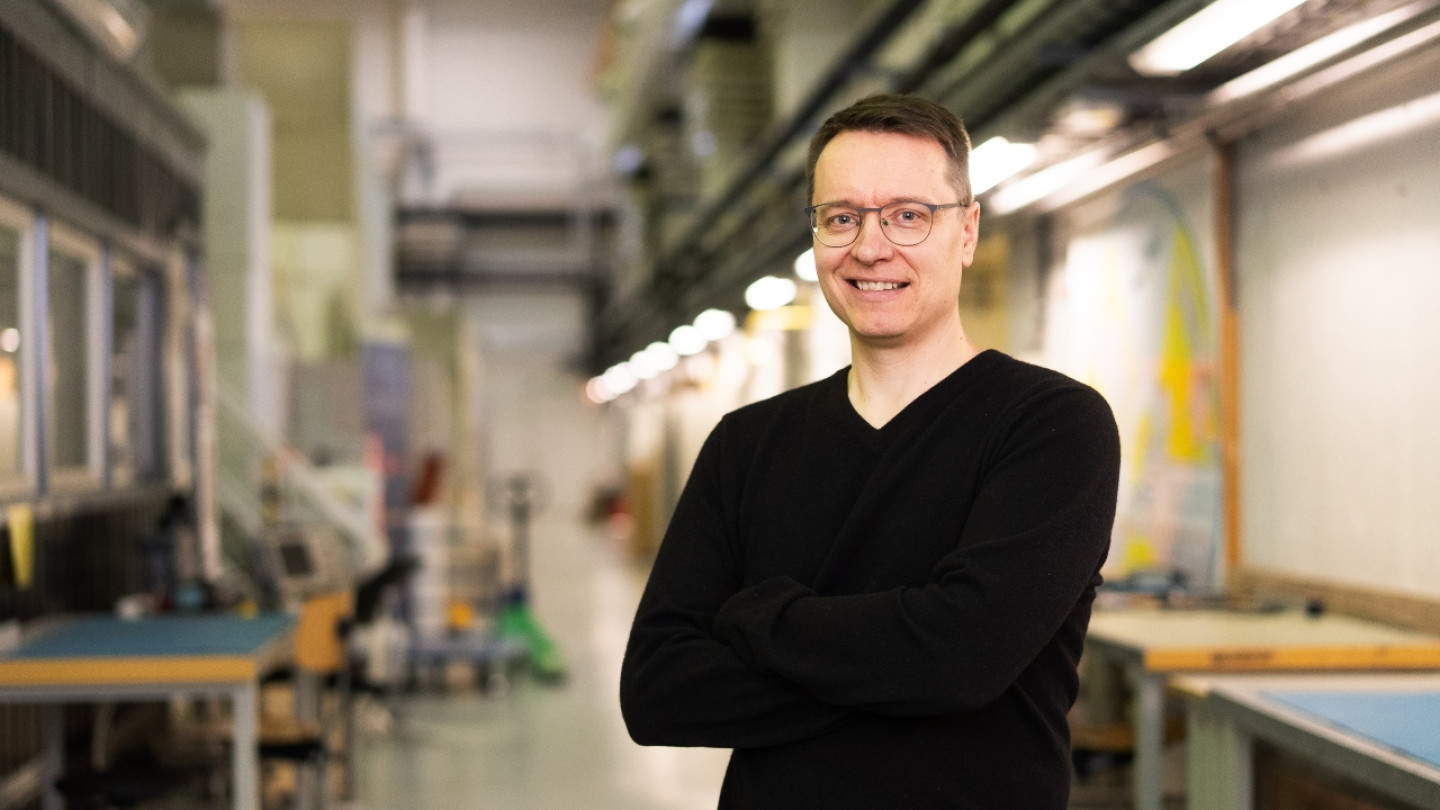
“Tungsten is a very unique metal,” says Teemu Karhumaa, Head of R&D at GTP Finland.
“Its density is comparable to that of gold, and its melting point is one of the highest of all elements.”
Tungsten is used particularly in cutting tools, in the mining and construction industries, in electronics, and in the chemical industry. However, as much as 80 per cent of newly mined tungsten comes from China, which has restricted exports to other countries. Due to these export controls, recycling methods are of great interest around the globe.
“We buy used scrap tools from all over the world and process them into powder, which can then be used in the manufacturing of new tools,” says Karhumaa.
GTP Finland’s unique recycling method sets it apart from its competitors.
“We are the world’s leading user of this process, and we are widely recognised in our field around the globe,” says Karhumaa.

Cooperation started at the Business Networking Day
The collaboration with the University of Jyväskylä began at the Business Networking Day, which was organised by the university to bring together the expertise of its researchers and the needs of regional companies. The event is held every October at Paviljonki in Jyväskylä.
At the event, Karhumaa sought out to talk to chemistry and physics researchers.
“We talked openly about our challenges and ideas,” he says. “The researchers were eager to take them up and quickly began thinking about what we could discover together.”
The parties next moved to jointly define the goals, content and implementation of the research. Funding from Business Finland lowered the threshold for getting started and enabled GTP Finland to purchase extensive research services from the university.
Development of analysis techniques brought new perspectives and ideas
The primary goal of the collaboration was to study hard metal analysis techniques and find methods that would make the quality control of the recycling process faster and more accurate. This work included theoretical research and practical tests using equipment at the University of Jyväskylä.
“In the project, we tested and compared different analysis techniques,” says Karhumaa. “We wanted to find out what opportunities they would offer in the future.”
Collaboration with the university proceeded smoothly. The parties met in person or via Teams, and the researchers regularly sent interim reports on the progress of the research and its results.
“It was easy to exchange ideas about the analysis techniques with the researchers. They also challenged and questioned our views, which was positive.”

Collaboration produces new knowledge
The collaboration has provided GTP Finland with new analysis data and options for tungsten recycling methods not available elsewhere. The research data will help improve the efficiency of the recycling process, giving the company a business advantage over its competitors.
Open interaction and the sharing of ideas also generated a significant spin-off research topic. During the collaboration, it turned out that the University of Jyväskylä had a device for characterising zinc and hard metal reactions. Using this device, the researchers were able to demonstrate the phases of the tungsten recycling process.
“We learned a lot of new things, including things that we would not have been able to discover on our own,” says Karhumaa. “It is possible that we will return to study the spin-off topic with the university.”
Successful collaboration requires commitment and openness
According to Karhumaa, successful collaboration is based on open discussion and the ability to challenge each other’s views.
“The researchers at the university had a theoretical approach, which was exactly what we needed. In turn, we brought in our practical experience. This combination worked very well.”
Karhumaa encourages other companies to start a conversation with the university without hesitation.
“The Business Networking Day was the decisive first step for us. I would encourage businesses to participate in it or otherwise get in touch with the university’s researchers. Collaboration can lead to much more than you might initially expect.”
He believes that successful collaboration requires mutual openness, a willingness to exchange ideas with researchers, and a genuine commitment to working together.
“In research collaboration, you cannot just provide a topic and then wait for a breakthrough. To achieve the best possible outcome, the company must also provide guidance and challenge the researchers.”