
What are you investigating
This dissertation investigated the properties and biomechanics of the Achilles tendon and triceps surae muscle in healthy athletes and individuals with Achilles tendon rupture in a 1-year prospective follow-up. The research was conducted in collaboration with Hospital Nova of the Wellbeing Services County of Central Finland. The study employed diverse and complementary measurement methods, such as advanced ultrasound imaging techniques.
Main results
The study found that symmetry in ankle resting angle measured at two months after rupture was associated with functional recovery later on. Better symmetry in resting angle predicted greater symmetry in ankle plantarflexion strength at both six and twelve months after injury. In addition, plantarflexion strength symmetry was linked to ultrasound elastography-assessed tendon stiffness. In non-operatively treated patients, the stiffness of the injured tendon recovered to the level of the healthy tendon by approximately six months after injury.
The research also revealed changes in tendon function. Following Achilles tendon rupture, intratendinous sliding was reduced in the injured tendon compared to the healthy side. Interestingly, a similar phenomenon was observed in healthy athletes: acute physical training performed within two days prior to measurements was associated with reduced intratendinous sliding.
Encouragingly, following Achilles tendon rupture, recovery of daily physical activity was observed over time. One year after the injury, participants had returned to their pre-injury levels of self-reported physical activity and sports participation. Accelerometry-based data showed that daily steps counts, as well as moderate-to-vigorous physical activity levels, increased during the follow-up period. However, the results also highlight individual differences. Older age and higher body mass index were associated with lower levels of vigorous physical activity.
Future perspectives
These findings suggest that ankle resting angle and ultrasound elastography imaging could serve as clinical tools for evaluating functional recovery after Achilles tendon rupture. Additionally, measuring the intratendinous sliding could aid in the monitoring of acute recovery of the Achilles tendon from physical loading.
The research is published in University of Jyväskylä's Dissertation series.
This dissertation was funded by The Finnish Cultural Foundation (Ester and Uuno Kokki Foundation) and The Research Council of Finland.
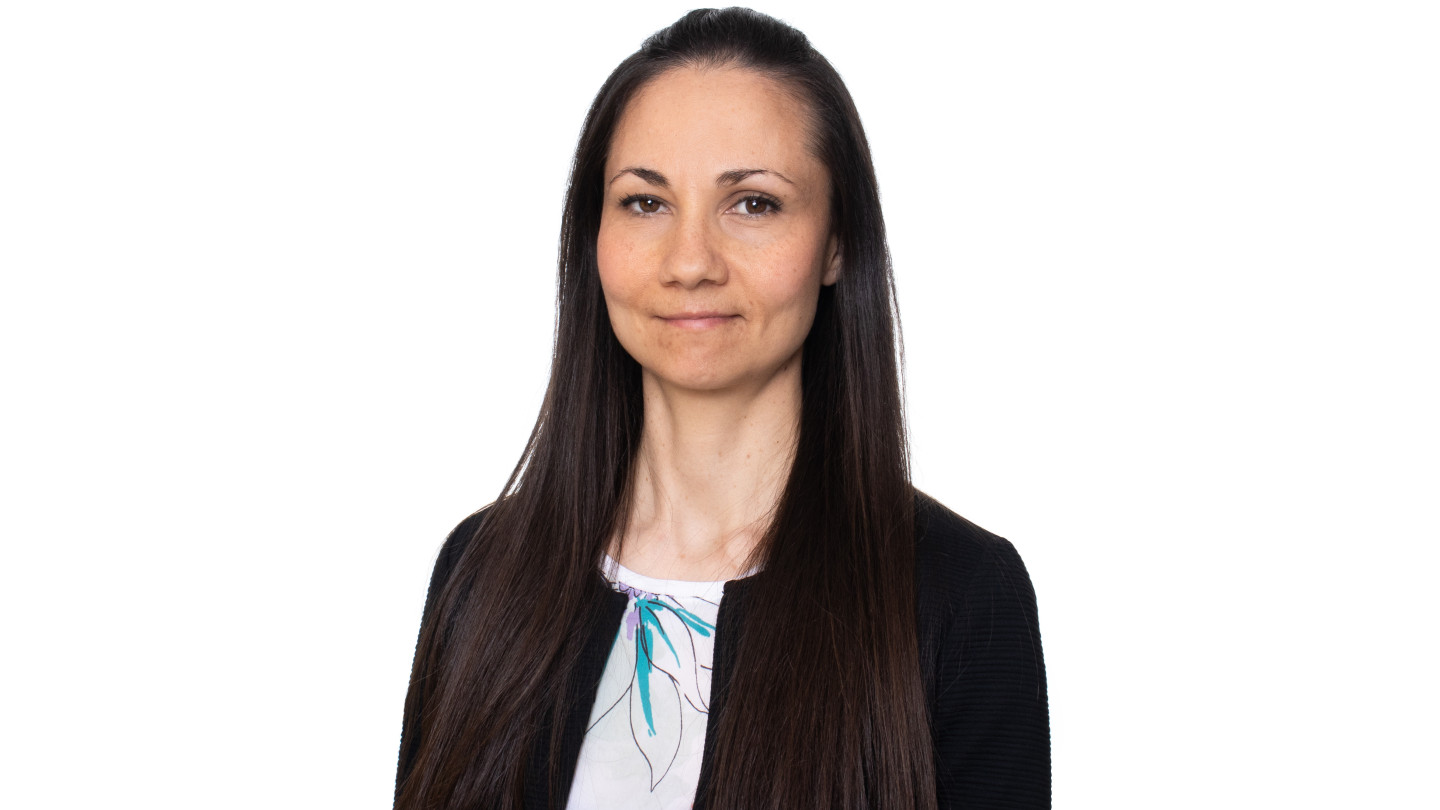
Dissertation event
MSc Maria Sukanen’s doctoral dissertation in Health Sciences ”Achilles tendon and triceps surae muscle biomechanics in health and disease” will be publicly defended on Thursday 11 June 2026 at 12:00 in the Martti Ahtisaari Auditorium (Ag A102) of the Agora building at the University of Jyväskylä. Opponent is Associate professor Seth O’Neill (University of Leicester) and Custos is Professor Taija Juutinen (University of Jyväskylä). The event is held in English.
The event can be followed online: https://r.jyu.fi/dissertation-sukanen110626


