
An open tool for calculating companies' biodiversity footprint – accelerates the launch of nature work
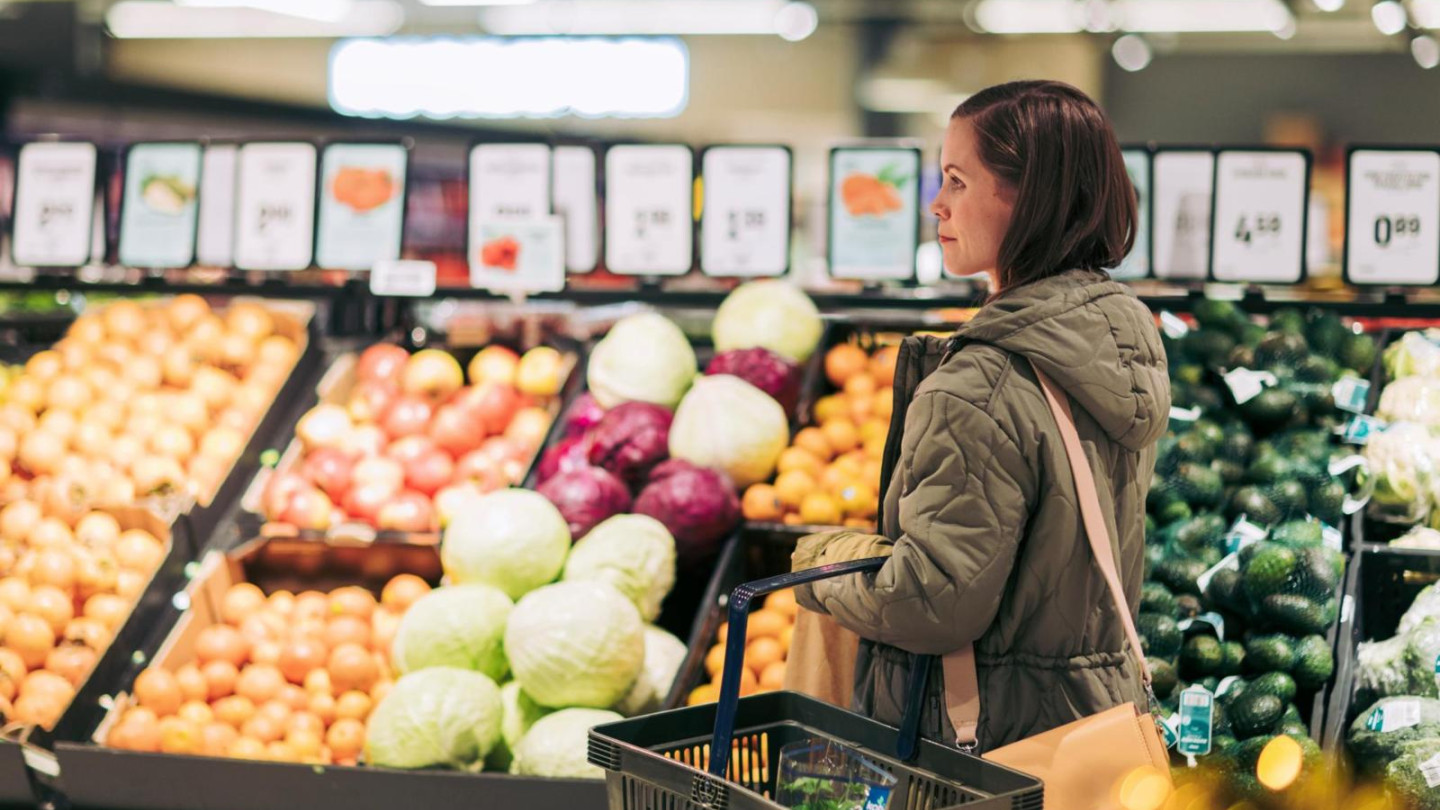
Researchers at the University of Jyväskylä have developed a model for the calculation of the biodiversity footprint based on procurement and sales data from the S Group. This gives an overview of the consumption of about four million Finns. The development of the calculation method enables more accurate product categorisation and comparability of results.
“We encourage companies to make use of the openly published database and the biodiversity footprint calculation guide, as well as to start taking the biodiversity footprint into account in their business. Finland now has a first-class opportunity to take the role of an international pioneer in the calculation of the biodiversity footprint”, Janne Kotiaho, professor of ecology at the University of Jyväskylä.
The S Group's value chain has an impact on the viability of approximately 150 species
The biodiversity footprint of the S Group is jointly created by the retail group, the actors of the value chain and the consumption of the citizens. The biodiversity footprint of the S Group was 19 000 nano biodiversity equivalents (nBDe) in 2023. This means that 0.0019% of the world's species are at risk of extinction if the damage continues. This figure corresponds to an increased risk of extinction for about 153 species. The Intergovernmental Science-Policy Platform on Biodiversity and Ecosystem Services (IPBES) estimates that there are around eight million species in the world. Around 2,300 species are currently estimated to have gone extinct worldwide.
As a major food retailer, the biodiversity footprint of the S Group’s value chain consists mainly of food and drinks (76%). The second biggest impact comes from fuels (8%). The largest biodiversity footprint of food products was caused by various meat and dairy products, as well as, for example, coffee and chocolate. The negative biodiversity impacts of food production and its factors, such as feed and fertilisers, mostly affected areas outside Finland (97%), particularly areas near the Equator and the Mediterranean Sea, where biodiversity on average is higher than for example in Finland.
“We have a shared responsibility for biodiversity and we need companies, decision-makers and our customers to participate. The biggest impact comes from working together. We encourage our partners to work for nature through the renewed Big Deal programme. Its goal is to find concrete solutions to common sustainability challenges,” says Nina Elomaa. Head of Sustainability of the S Group.
A plant-based approach is key – with the current target, the biodiversity footprint of food would be reduced by 7%
The S Group aims to reduce its biodiversity footprint by, for example, increasing the share of plant-based products, favouring domestic products and developing responsible supply chains. It is also essential to encourage environmentally sustainable food choices. The goal of the retail group is for 65% of the food sold to be plant-based by 2030. At the moment, the share is about 60%. Achieving the target for plant-based products would reduce the biodiversity footprint of food by 7%. As an example, the researchers also looked at what would happen if the selection were completely plant-based: the biodiversity footprint would decrease by up to 33%.
“Increasing the share of plant-based products will significantly reduce the carbon and biodiversity footprint. This is also in line with science-based nutrition recommendations, which also take into account the healthiness of food. The balance between the supply and controlling customer demand is challenging, but both perspectives are needed to reduce the biodiversity footprint,” says Sami El Geneidy, researcher in environmental management at the University of Jyväskylä.
The S Group is already trying to facilitate the selection of plant-based products in many ways, such as in the presentation of seasonal vegetables, as well as through sales concepts, recipes and various campaigns aimed at increasing the consumption of vegetables. The goal also requires finding new means, more detailed product information and stronger cooperation with food industry partners.
Climate change and biodiversity loss already affect availability – the calculation of biodiversity footprints can contribute to risk management in the future
A key part of the calculation of the biodiversity footprint is the modelling of the structure of international production chains. The researchers were able to show that sourcing food from areas with smaller biodiversity impacts instead of areas that are very sensitive to biodiversity impacts can reduce the biodiversity footprint by 12%.
Food production is suffering from extreme weather phenomena such as floods and heavy rainfall or droughts, which have increased due to climate change. For the consumer, this might have manifested for example as a lack of orange juice after a poor harvest. For example, Spain, a key source of fruit and vegetables, has several water-critical areas. A joint water project for businesses is looking for solutions for sustainable water use in cooperation with with fruit, berry and vegetable producers in the region.
In the future, the calculation of the biodiversity footprint could help predict risks arising in the production chain. A better understanding of the biodiversity footprint of production chains and the risks it poses is also important from the point of view of security of supply.
5 steps – how to calculate the biodiversity footprint of companies
The BIOVALENT database and the biodiversity footprint calculation guide developed in the project provide concrete tools for assessing and reducing one's own biodiversity footprint for all companies and organisations, in Finland and around the world. The S Group's biodiversity footprint calculation serves as an example in the guide.
- Stage 1: Decide what to include in the biodiversity footprint calculation
- Stage 2: Collect data on the organisation's consumption
- Stage 3: Categorise consumption data and retrieve biodiversity impact factors from the BIOVALENT database
- Stage 4: Calculate the biodiversity footprint
- Stage 5: Interpret the biodiversity footprint
The method is becoming more precise and it is still being developed, for example in terms of a more accurate product-specific biodiversity footprint.
The development of the model has been funded by the S Group, Future House Sitra, and Strategic Research Council at the Academy of Finland in the project BOOST for biodiversity offsets. The development of the BIOVALENT database has also been funded by Ecobio Oy.
Contact information:
- Nina Elomaa, Senior Vice President, Sustainability, SOK, tel. 045 354 8611
- Janne Kotiaho, Professor of Ecology, University of Jyväskylä, tel. 050 594 6881
- Postdoctoral researcher Sami El Geneidy, University of Jyväskylä, tel. 040 532 9892
What is a biodiversity footprint?
The biodiversity footprint of the S Group is a scientifically calculated overall assessment of how business activities affect biodiversity in Finland and globally. It helps identify the main drivers of impacts and guides measures to safeguard biodiversity. The biodiversity footprint of the S Group is jointly created by the retail group, the actors of the value chain and the consumption of the citizens.
How has the calculation of the biodiversity footprint of the S Group become more accurate after the end of the project?
In the project interim report published in 2023, the biodiversity footprint was calculated separately for the terrestrial ecosystem, freshwater ecosystem and marine ecosystem using the unit of measurement PDF (potentially disappeared fraction of species). With the development of the biodiversity footprint calculation method, ecosystem type specific results can now be combined under one measurement unit, nature equivalent (BDe).


