
Salmonids reveal the cold truth about human impacts on Fennoscandian lakes
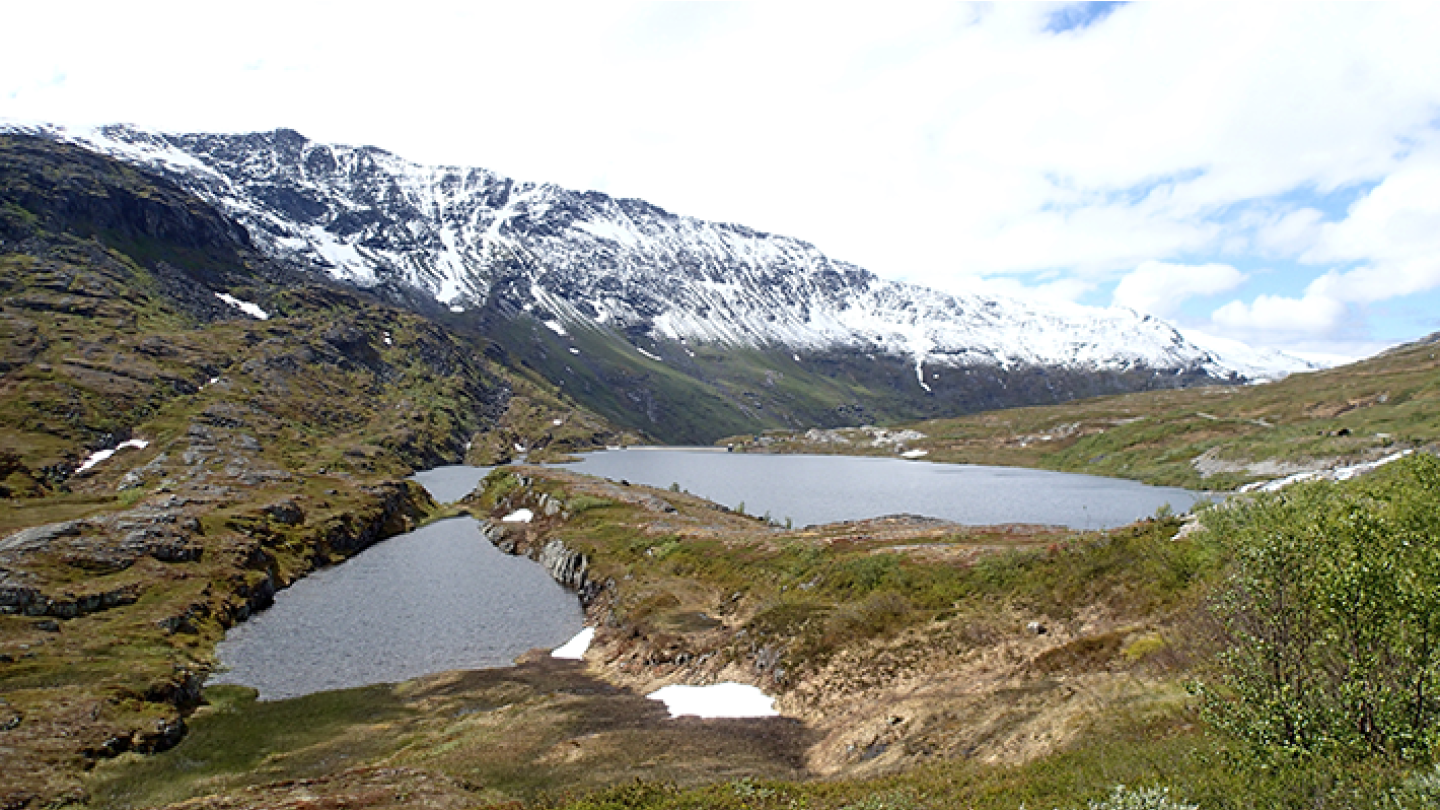
Using brown trout and Arctic charr as sentinels of over 100 lake food webs, the researchers showed that both salmonid fishes respond similarly to the impacts of hydropower and the degree of human modification in the lakes’ catchments. In contrast, the two salmonids responded differently to other, non-human mediated changes in lake environments. This study, published in Limnology and Oceanography on 23 February 2026, highlights how the large-scale effects of humans extend even into what are typically considered less impacted, more pristine areas.
Extensive data showed how different environmental factors shape lake ecosystems
To understand how lake food webs change with the environment, leader of the ColdWebs research group Dr. Antti Eloranta brought together various scientists that have been studying salmonid fishes in Finland, Norway, and Sweden for over the past 20 years. This combined approach meant that the researchers could examine data taken from thousands of fish collected from 120 lakes to tease apart the many different environmental factors that affect these cold-water lake food webs simultaneously.
“It is really the scale of this study that allowed us to separate all these different effects”, explains Postdoctoral Researcher Matthew Cobain from University of Jyväskylä who led the data analysis. “There have been many small-scale studies examining different environmental factors one at a time in these systems, but environmental factors do not act in isolation. By bringing all this data together, we could really examine the impacts of different factors like temperature, lake size, and hydropower activity all together.”, he continues.
Salmonids tell about lake food webs
The research used stable isotope data, biotracers, that indicate the diet of brown trout and charr, to see how the food webs changed between different lakes.
“These two fish species are the top predators in these systems and therefore they reflect changes in the whole food web”, says Academy Research Fellow Antti Eloranta from the University of Jyväskylä. “The stable isotopes of nitrogen and carbon can tell us whether the fish are moving up or down the food chain, and how much they rely on food from the littoral zone near the shore or from the open water area of the lake, the pelagic zone. Therefore, isotopes in salmonids can be used as tracers of food web structure and function in subarctic and alpine lakes across Fennoscandia.”
New environmental changes are impacting salmonids in a similar way
The researchers found that hydropower resulted in both species shifting towards the pelagic zone, as water-level regulation damages the shallow littoral habitats. They also found that increasing human modifications in the lakes’ catchments led to fish moving higher up the food chain, likely due to increasing nutrients entering the lakes.
“The surprising thing is how consistent these responses to human impacts were between trout and charr” expands Cobain. “Other factors we examined such as lake size, climate, or greenness of the landscape all gave either contrasting or limited responses.”
He suggests that because the two species are adapted in different ways, we would expect them to respond differently to environmental change that they have been naturally exposed to over their species’ range. However, human impacts are novel environmental changes that neither species are adapted to and therefore respond in a similar way.
This research was a collaboration between 23 scientists based in Finland, Norway, Sweden, Spain, and Canada, and was supported by funding from the Research Council of Finland (COLDWEBS and FreshRestore projects).
Article information:
- Regional ecosystem responses to environmental drivers in cold-water lakes evaluated using stable isotopes of salmonid fishes, Limnology and Oceanography, 23.2.2026
- DOI number: https://doi.org/10.1002/lno.70333
-
Link to article: https://aslopubs.onlinelibrary.wiley.com/doi/10.1002/lno.70333


