
Dissertation: Luhmann’s Lesson for the Fragile Care Systems for Older People of Our Time
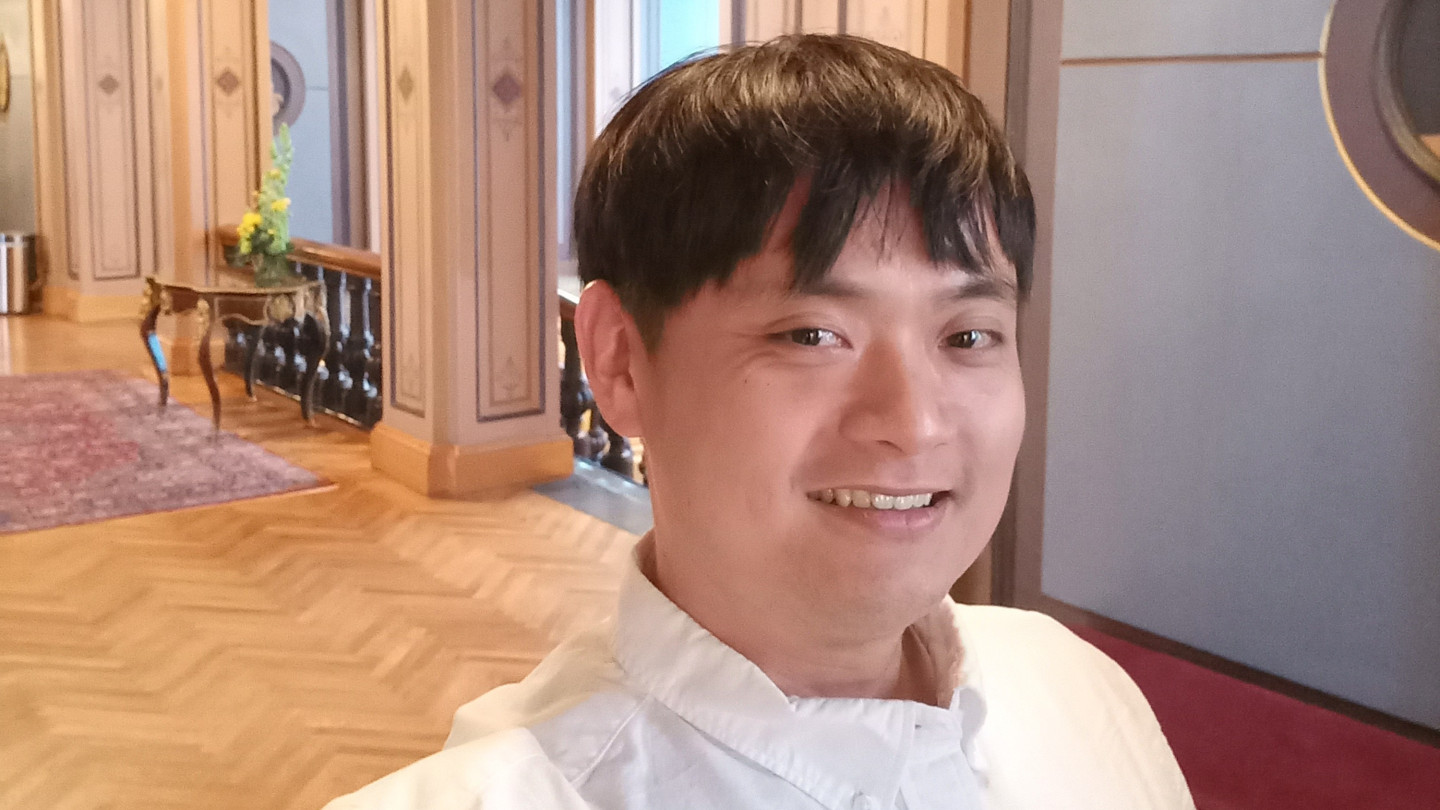
What did you study?
The research examines the structural arrangements of community-based integrated care (CBIC) programmes as sustainable enablers of service provision for older people in times of an escalating care crisis. By comparing three CBIC programmes in Finland, England and South Korea, my thesis explored how the structural configurations of organisational arrangements, funding models and service coordination mechanisms support or constrain community engagement and organisational autonomy. These were conceptualised as mechanisms of system reproduction through which long-term sustainability could be achieved.
What were the results of your study or what is its main finding?
The findings identify structural arrangements that support the mechanisms of system reproduction across the three CBIC programmes. Community engagement was driven by physical co-location, flexible participation pathways and the embedding of community organisations in service coordination alongside collaborative data systems and adaptable coordinator roles. Organisational autonomy was shaped not by contract type alone but by the interaction of contractual, policy, administrative and cultural factors. This autonomy was further enhanced by distributed planning authority, direct service user-provider relationships and negotiable contractual terms. Finally alliance-based participation, service-based and diversified funding as well as horizontal data flows served as common enabling conditions that enhanced organisational flexibility whilst reducing resource dependency.
How can the results be applied? What new insights did the research contribute to the topic?
These were interpreted through a Luhmannian system-theoretical perspective of autopoietic self-reproduction. Community engagement enhances the system’s sensitivity to environmental irritations, whilst organisational autonomy preserves system differentiation upon which structural coupling depends. The empirical findings therefore suggest that CBIC remains sustainable when it neither dissolves its organisational boundaries nor isolates itself from environmental influences. Sustainability thus emerges through ongoing self-reproduction: a dynamic process through which the system maintains connectivity by continually generating new decisions in response to changing conditions.
MARes Youngbin Kwon defends their doctoral dissertation "Sustaining Care in Ageing Societies: Comparative Community-based Integrated Care for Older People in Finland, England and South Korea" on November 13, 2026 at 12 in hall C5. Opponent is professor Liisa Häikiö (University of Tampere) and custos is professor Teppo Kröger.
The language of the event is English.
Further information: youngbin.j.kwon@jyu.fi

