
New research professor in higher education pedagogy highlights the importance of knowledge alongside competence
Student’s relationship with knowledge in a changing landscape
Higher education is in a state of transition, with students expected to achieve more in less time. In her research, Annala points out that the emphasis on competence and performance does not always reflect the intellectual depth of operations within higher education institutions. She critically examines solutions that aim to make studies more flexible and quicker, particularly when pursuing a first degree. She states that there are no shortcuts to learning and growth.
"If a student has completed studies here and there, we can ask what kind of overall knowledge these studies provide, and whether the student can incorporate what they have learnt into broader knowledge structures," says Annala.
She adds that good teaching requires insight into students and an understanding of the purposes of higher education. Key points include the teacher’s interest in their students and how to support them in developing a deeper relationship with knowledge. This requires an understanding of the curriculum as a whole, as well as pedagogical thinking.
"The intermediate phase of "not knowing" to "knowing" is the most significant in learning, although it is often difficult for students," says Annala. "Pedagogy should encourage this and create space for thinking, reflection and shared consideration."
According to Annala, slower and deeper learning benefits not only students, but society as a whole, which needs people who can understand complex problems and act responsibly.
Curricula play a significant role
Annala has researched the curriculum making of higher education institutions from various angles for around twenty years.
"Curricula play a key role in how higher education institutions fulfil their educational purpose," she says. "They contribute to the evolving nature of researcher-teachers’ work, both individually and collectively, and to the role of students within their institution."
Annala’s doctoral dissertation (2007) focused on guidance for students’ personal study plans as part of curriculum development. Since then, she has collaborated with colleagues to study various topics, including curriculum reforms, teachers’ agency in curriculum making, and the role of knowledge when universities and universities of applied sciences develop joint curricula. She states that curricula constitute a central interface between research and pedagogical ideals, and between individual, institutional and societal goals.
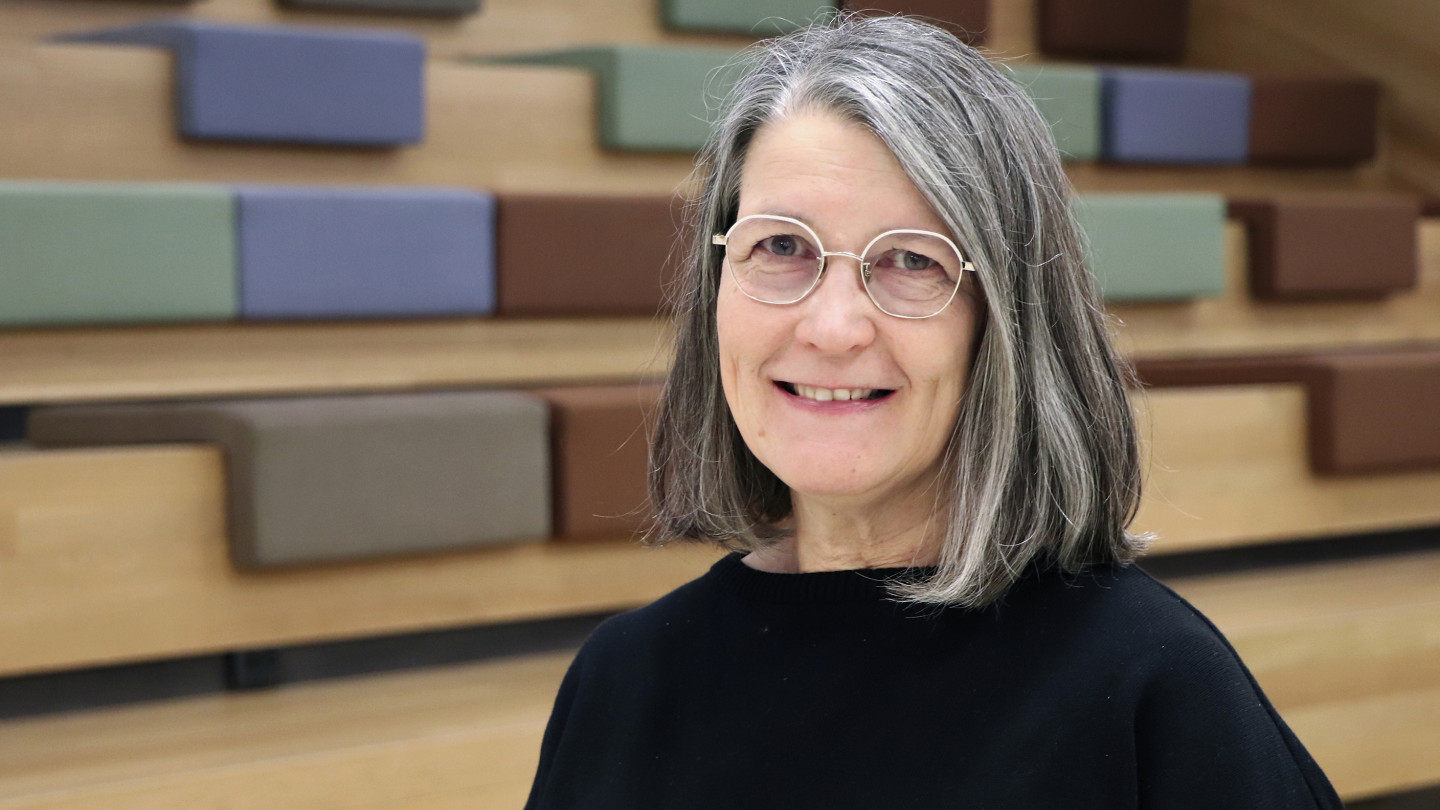
PhD Johanna Annala started working as a research professor of higher education pedagogy at the Finnish Institute for Educational Research at the University of Jyväskylä on 1 October 2025. She is leading a project funded by the Kone Foundation. Entitled (Un)Making Knowledge: students’ relationship with knowledge from Modernity to AI, the project will run from 2025 to 2029. Her most recent research projects are still in the initial stages and deal with the freedom of teaching and pedagogical leadership in the context of curriculum making.
The inauguration of new professors will take place on Wednesday, 6 May 2026. At noon in the Seminarium building, Annala will give a lecture entitled Opetussuunnitelma korkeakoulupedagogisen tutkimuksen risteyksenä (Curriculum as an intersection for higher education pedagogy research).


