
Quantum cryptography and AI challenges were discussed at a quantum research event in Jyväskylä
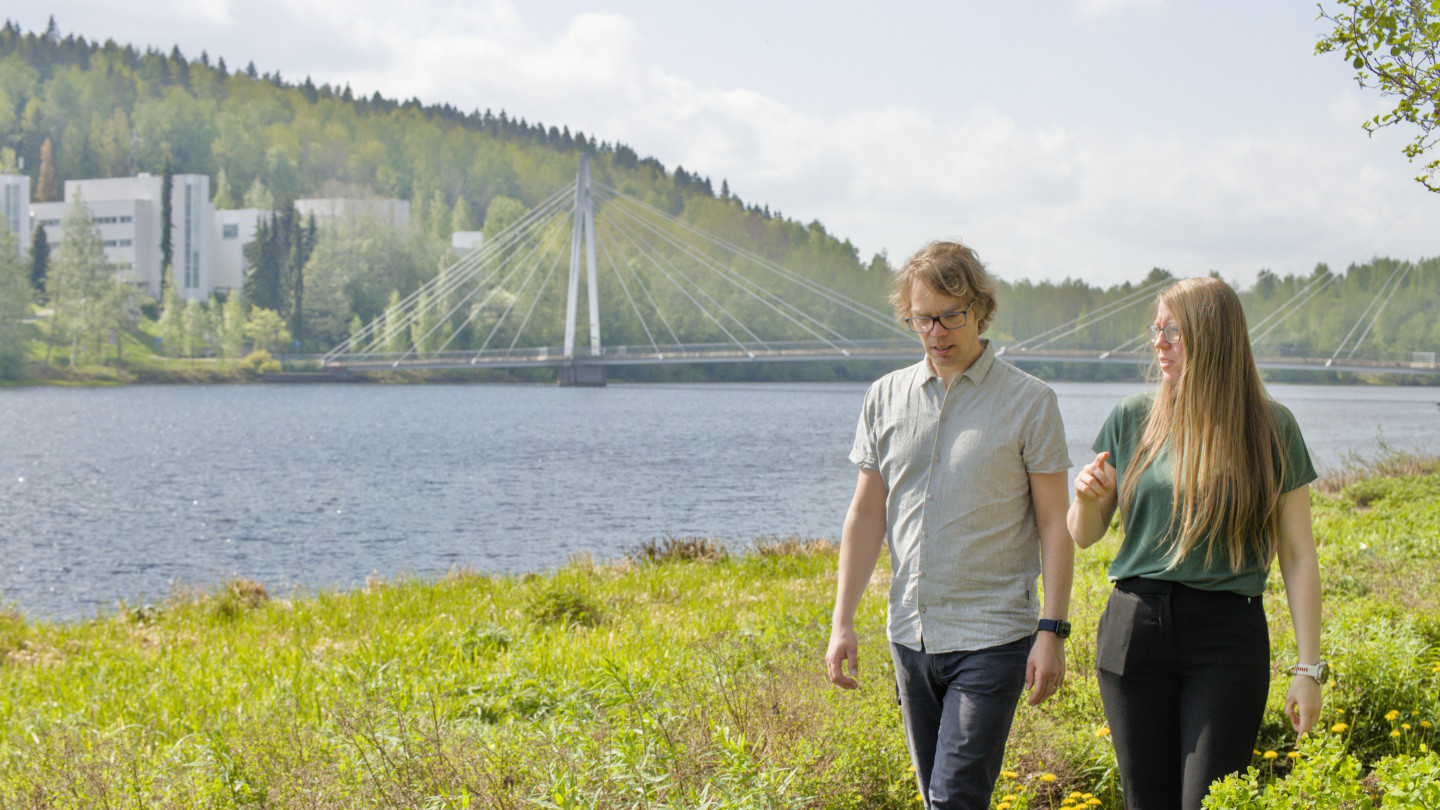
The Lakeside Quantum Dialogue, an event focused on quantum sciences held at the University of Jyväskylä, offered researchers an opportunity to dive into current issues in quantum research in a relaxed and conversational atmosphere.
The event is hosted by Professor Teiko Heinosaari and it brings together quantum researchers from around the globe.
One of the speakers at the event was Ramona Wolf, an assistant professor of quantum cryptography at the University of Innsbruck. Her research focuses on security verification of cryptographic protocols and ensuring that they function as intended.
Visiting the event for the first time, Wolf compliments both the scale of the event and the fact it provided an opportunity to connect with many people.
“At large conferences, there are often so many people that it’s hard to find time for meaningful conversations. Here, I’ve had time to talk with almost all the participants,” Wolf says.
The more relaxed schedule allowed for longer conversations, networking, and exchanging ideas. Wolf also enjoyed the conversation-filled walks around Lake Jyväsjärvi.
“The event is really well planned. There aren’t too many presentations, and the breaks are long. That creates a relaxed and inspiring atmosphere,” Wolf says.
Quantum computers are transforming the use and research of cryptography
Wolf says she has always been interested in cryptography and is excited to combine quantum physics with cryptography.
The topic is very relevant today, as the development of quantum computers will fundamentally change the way cryptography is used and researched. Once we are able to develop quantum computers powerful enough, they will be capable of breaking most of the encryption methods currently in use.
In practice, this means all digital communications, state secrets, and, for example, financial transactions.
“Although powerful quantum computers are still years away, security systems are already under pressure to be updated. Encryption won’t be broken overnight, but malicious actors can just store the communication sent today, wait until they have a quantum computer, and then decrypt it”, Wolf explains.
According to Wolf, if stored data retains its value for a long time, protecting it may already be too late in some respects. However, the mere promise of quantum computers in the future has given a significant boost to cryptography research.
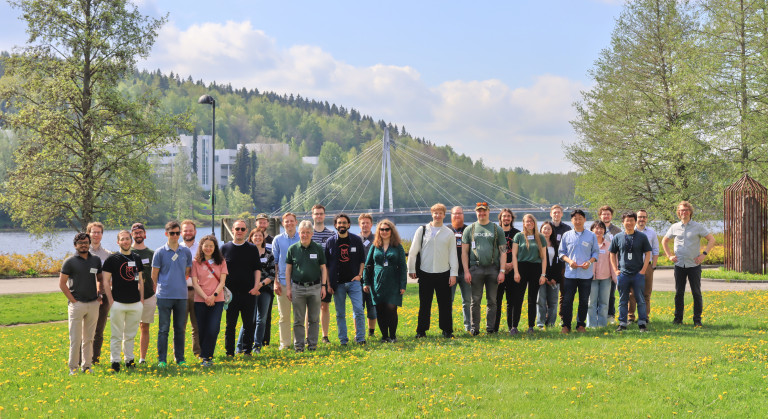
Participants in the Lakeside Quantum Dialogue event pose for a group photo in University of Jyväskylä Campus.
Research on quantum space-time can help combat AI scams
One of the most interesting topics in Wolf’s research is so-called “position verification”.
Position verification is a quantum space-time-based protocol that can be used to reliably verify a person’s location with no way to fake it. In the age of AI, where both video and audio can be faked with increasing realism, there is a growing need for such a solution.
Wolf illustrates the phenomenon with a real-life case in which a bank employee received an order from their supervisor during a Zoom meeting to transfer money to another account. The situation seemed genuine because of the video connection, but in reality, the video was entirely AI generated.
“If the supervisor’s actual location could have been reliably verified, the scam would never have happened,” Wolf explains.
In conclusion, Wolf and Heinosaari emphasize the importance and progress of quantum research.
“We've seen throughout history that as we better understand how to describe nature, it also gives rise to new applications that improve our lives”, they note.
Last year we celebrated 100 years of quantum theory, but it has been developing the whole time. Both Wolf and Heinosaari anticipate interesting discoveries from quantum research in the future.


