
Towards better autonomy – rare earth elements recycled from waste
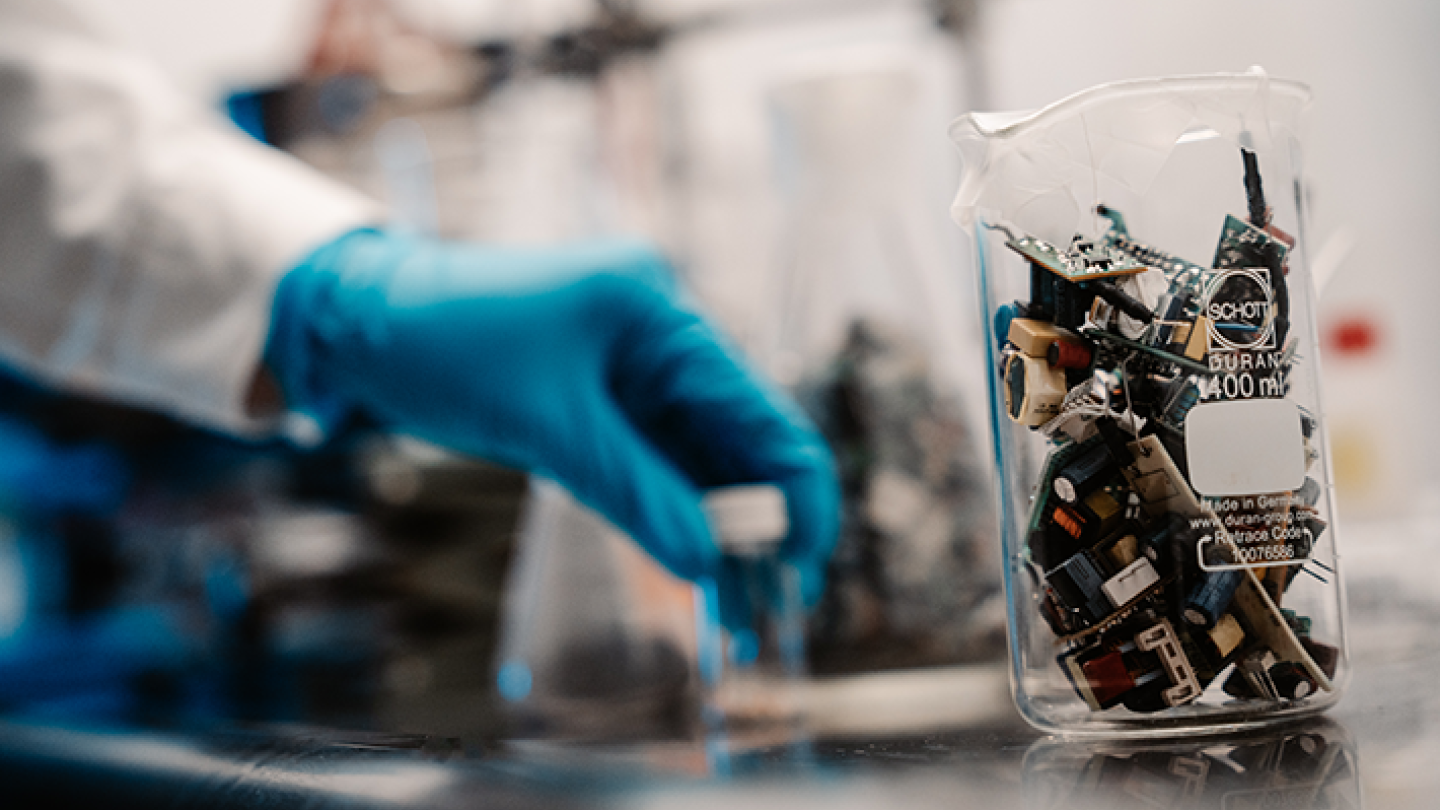
Rare earth elements (REEs) are critical raw materials (CRMs) used in various modern technologies, including renewable energy, electric vehicles, electronics, and defense applications. Their economically viable deposits are rare and located in countries where security of supply is a major concern.
- While traditional mining of REEs is not possible in many countries, urban mining of secondary resources rich in REEs, such as end-of-life permanent magnets, is a viable option for increasing REE supply in the EU, specifies Senior Lecturer Siiri Perämäki from the University of Jyväskylä.
Critical raw materials are extremely important economically to the European Union. The EU's target is a 25% recycling rate for critical raw materials in 2030. Currently, the recycling rate of REEs is only 1%.
- This highlights the urgent need to develop new circular economy solutions and increase the recycling of rare earth metals to achieve the EU's ambitious targets and reduce dependence on virgin raw materials, says Perämäki.
Recycling rare earth elements from secondary sources
The collaboration project “Advancing Rare Earth Element Circularity and Valorization from Various Secondary Sources” (REEVIVE) by University of Jyväskylä and Finnish Environment Institute tackles these challenges. Underutilized secondary sources of REEs are inventoried during REEVIVE to find alternative sources of supply. Secondary sources include, for example, end-of-life permanent magnets.
- We are searching for alternative sources of rare earth elements, focusing in particular on underutilized secondary sources. These sources are being studied in terms of recovery, and the economic sustainability of the recovery process is being evaluated, explains Principal Researcher Emilia Suomalainen from the Finnish Environmental Institute.
The environmental impacts linked to different life cycle stages of permanent magnets will be assessed, also for recycled REEs.
- The REEVIVE project contributes significantly to the sustainable and secure supply of REEs by identifying and recovering them from underutilized secondary sources, says Perämäki.
The two-year REEVIVE project started on 1 February 2026 and has received €616 223 in funding from Business Finland and an additional 78 000€ in company funding.


