REEVIVE: Advancing Rare Earth Element Circularity and Valorization from Various Secondary Sources
By improving the REE recycling rates and reducing dependence on external suppliers, REEVIVE supports the implementation of the EU CRM Act and enhances the competitiveness of the Finnish industry.

Project description
Background
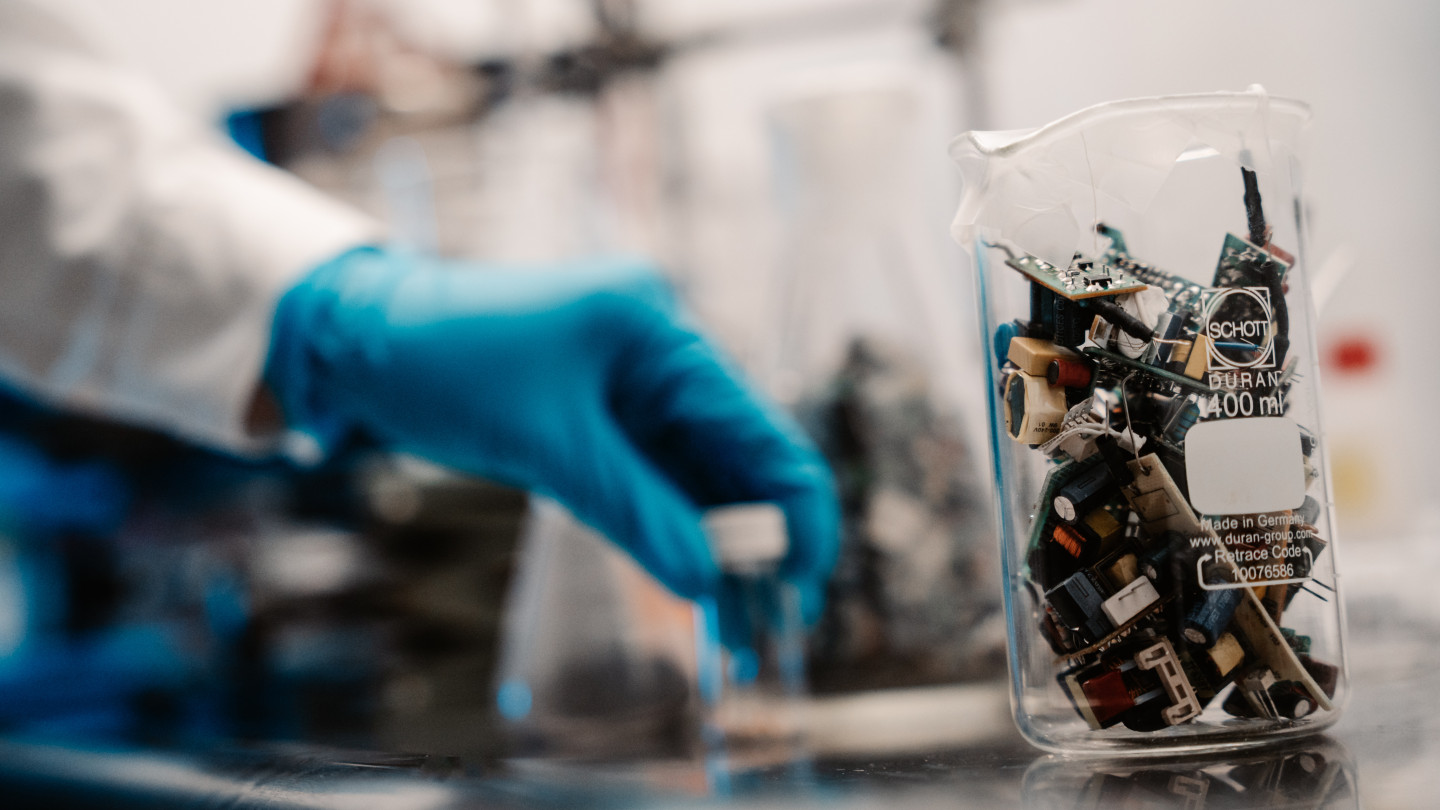
Rare earth elements (REEs) are critical raw materials (CRMs) used in various modern technologies, including renewable energy, electric vehicles, electronics, and defense applications. Their economically viable deposits are rare and located in countries where security of supply is a major concern. Since REEs are of strategic importance to green technologies such as wind turbines and electric motors, it is essential to ensure their security of supply. While traditional mining of REEs is not possible in many countries, urban mining of secondary resources rich in REEs, such as end-of-life permanent magnets, is a viable option for increasing REE supply in the EU. The Critical Raw Materials Act aims at 25% of recycling rate for CRMs in 2030, while the current recycling rate of REEs is only 1%.
How REEVIVE will meet these challenges?
The collaboration project “Advancing Rare Earth Element Circularity and Valorization from Various Secondary Sources” (REEVIVE) by University of Jyväskylä and Finnish Environment Institute tackles these challenges. Underutilized secondary sources of REEs are inventoried during REEVIVE to find alternative sources of supply. These secondary sources are studied for REE recovery, and the economic viability of the recovery process is further assessed. The environmental impacts REEs produced via traditional mining are compared to recycled REEs produced using the REEVIVE process. Regulatory and governance perspectives in REE recycling from secondary sources are also evaluated.