
University of Jyväskylä remains Finland’s leader in open science
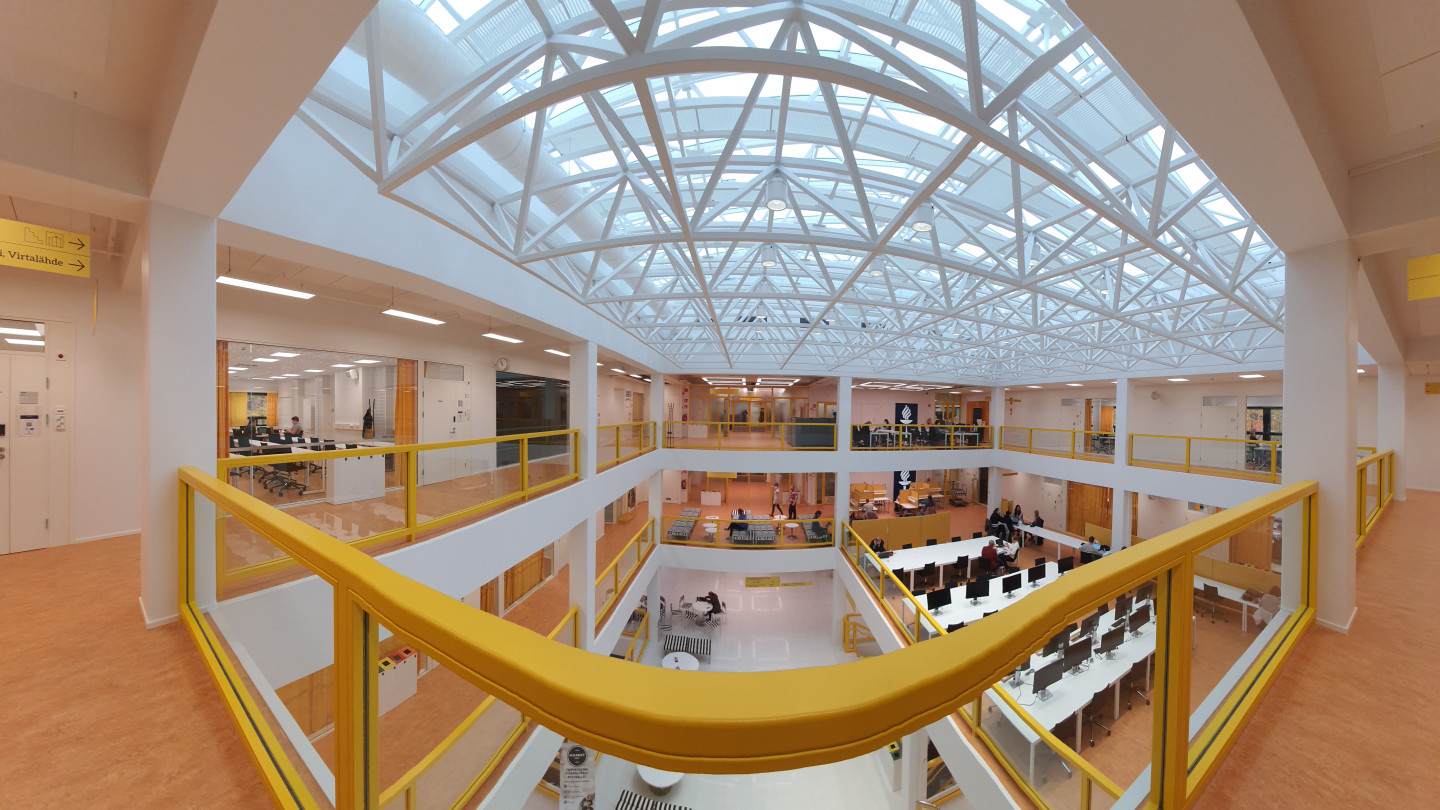
Three of the University’s faculties are close to reaching total open access: the Faculty of Information Technology (98%), the Jyväskylä University School of Business and Economics (97%), and the Faculty of Sport and Health Sciences (96%).
The guiding principle of open science is to publish research findings so they are freely available and usable by everyone. In other words, research articles published by researchers in scientific journals are also made freely available to researchers around the world, as well as to students, decision-makers, companies, and the general public. They can be found either on the website of the scientific journal where an article is published or in the institutional repository of the researcher’s university.
The University of Jyväskylä has long been a pioneer in open science in Finland, and it has systematically developed operating models that enable open access to research. Researchers are supported, for example, in self-archiving, where a published research article or its manuscript is openly deposited in the University’s institutional repository. This ensures both researchers’ rights to their own work and unrestricted, permanent access to research, even when access to the original publication requires a paid journal subscription.
Open science ensures access to information even during crises
Not all scientific publishers currently allow open-access publishing or the self-archiving of publications in university institutional repositories, which means that some research publications remain behind a paywall. At the University of Jyväskylä, researchers are advised to submit their manuscripts only to journals that allow open access publishing or self-archiving.
At the beginning of 2026, the University of Jyväskylä also adopted a prior licencing model, which further strengthens researchers’ right to deposit their own research articles in their university’s institutional repository without delay. Numerous prestigious universities around the world have already adopted a prior licencing model, including Harvard University, which did so in 2008.
This is especially important because it helps ensure continued access to research-based knowledge. If research is available only through paid services or the platforms of commercial journal publishers, access to it can quickly become difficult.
“When research is openly accessible, we ensure that reliable information remains available and does not end up behind a paywall, not even during a crisis,” says Jutta Aalto, service managerfrom the Open Science Centre of the University of Jyväskylä.


