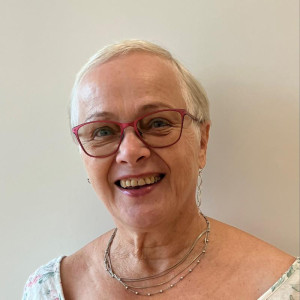
I am investigating my experimental work as a physiotherapist with tools of music therapy as activator for natural movements of neurological patients since 2013 after completing my master’s degree in music therapy. Previous research on clinical neurological rehabilitation combining multidisciplinary modalities has been limited. As a new element in neurological rehabilitation, I have introduced the patient's own rhythmic reciting as cue for motor performing. My three articles in the doctoral thesis I am processing, are describing case studies of my clinical work based on my experiences, video clips and notes of the exercises saved by me. These activating tools, rhythm of music, singing and voice are shown to be useful in long-term neurological rehabilitation for patients who have problems with speech and movement at a certain force, speed, etc. The rhythm and rhymes of music help to reorganize neural structures and promote movement without cognitive overload. The articles show how music therapy methods in physiotherapy can promote smoother and more natural movements, especially for those who are timid and fearful of motor performance.
My articles suggest that the patient's own interest and motivation to participate in their rehabilitation can be stimulated. As new tool for music therapists, my dissertation emphasizes to offer more knowledge for the neurologic patients about physiology and musculo-fascial chain of human being for to increase their subjectivity, self-esteem, mood, and motivation for rehabilitation. In the future, given the scarcity of staff, we will need more cost-effective, multi-disciplinary rehabilitation. My dissertation is aiming to address the challenges of rehabilitation efficiency.