
At the intersection of languages and learning – Talip Gülle’s career story
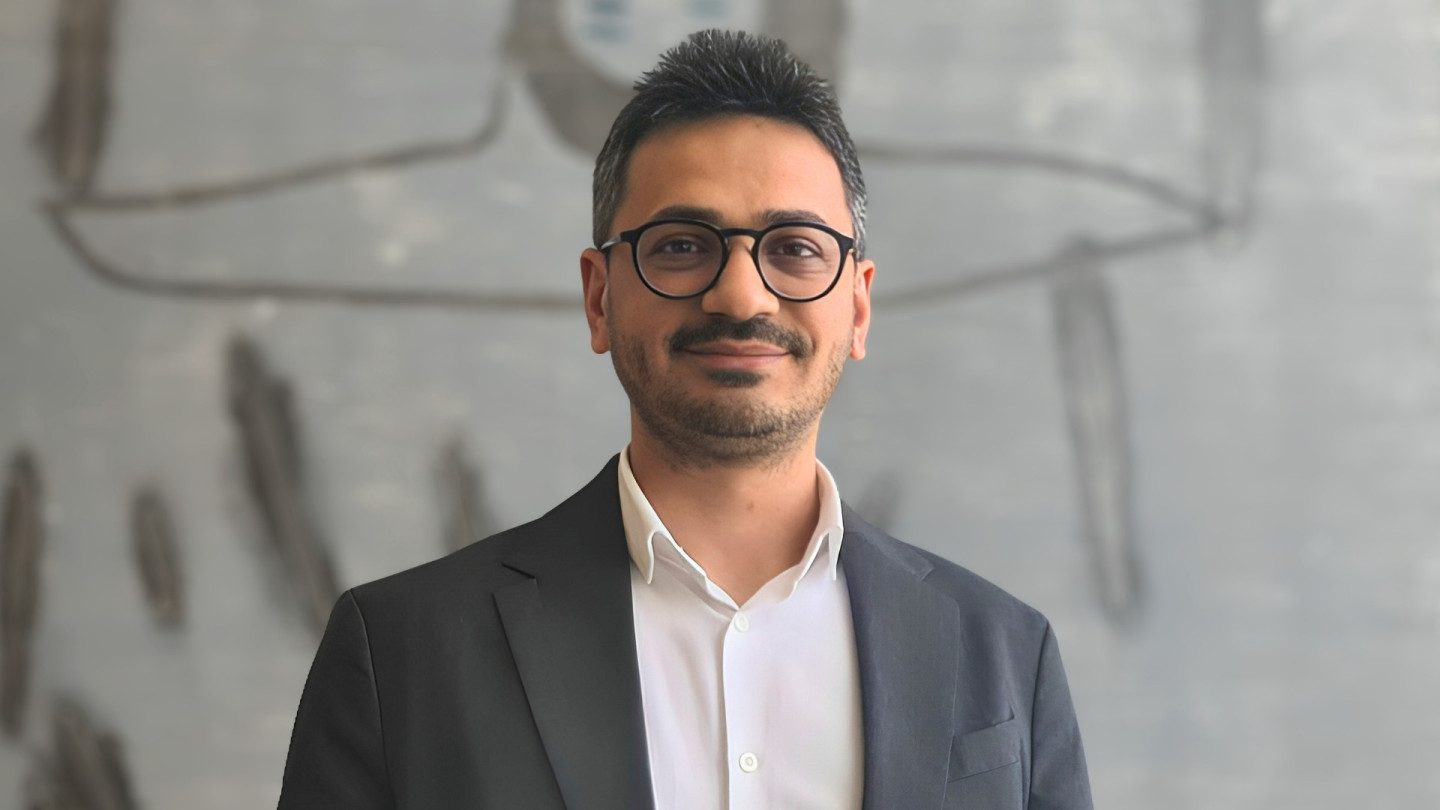
International networks led to Jyväskylä
In a Tarantino movie, a character says, “Every once in a while, fate reaches out and extends its hand.” I think my arrival at the University of Jyväskylä has been the result of a number of fortunate circumstances, and often such is life.
Just a few years ago, I was working on my PhD at Boğaziçi University in Türkiye when I joined CLILNetLE (CLIL Network for Languages in Education: Towards Bi- and Multilingual Disciplinary Literacies). I became a member of the action’s first working group, which focused on conceptualising disciplinary literacies. The group was led by Tarja Nikula from the University of Jyväskylä.
After one of the CLILNetLE meetings in Nitra, we were sitting on the bus to the airport when Tarja mentioned the MSCA-PF, an EU-funded programme that supports postdoctoral researchers' international mobility, career development and research. The conversation sparked my interest, and I began exploring the possibility of applying for the programme. In June 2024, I visited the Centre for Applied Language Studies through the JYU Visiting Fellow Programme to work closely with Tarja and further develop my MSCA-PF application. At the same time, I had completed my PhD and started working as an assistant professor at Bartın University. When my MSCA-PF application was successful, I took the opportunity to join the Centre for Applied Language Studies at the University of Jyväskylä to experience a different academic culture and learn from the many outstanding researchers here.
A research career centred on language and learning
My MA focused on developing a speaking test for second language learners of Turkish. When I moved on to my PhD, my interests shifted towards English-medium instruction (EMI) in higher education. This shift was partly driven by broader trends, such as the rapid growth of EMI programmes and increasing multilingualism in universities.
There was also a personal dimension. For instance, a senior undergraduate student from the philosophy department once approached me for help because he was struggling with the language of a text he was reading. Situations like this, where students face the dual challenge of learning through a second language while trying to make sense of complex disciplinary content, are what drew me to the topic.
My PhD focused on multilingualism and content assessment in EMI programmes. Through my involvement in CLILNetLE, I became more familiar with content and language integrated learning (CLIL) and disciplinary literacies, and my current research examines disciplinary learning in EMI environments. Looking ahead, I aim to bring these two strands together, assessment and disciplinary literacies, and explore what assessment might look like from a disciplinary literacies perspective.
A new academic environment in Finland
Since starting my work at the University of Jyväskylä, I have gained many new perspectives on both research and everyday life. Being at JYU has allowed me to see familiar things in a new light and reflect on how lived experiences shape the way we view the world. It also represents well-being and work-life balance, values that are strongly embedded in the culture at JYU.
What has particularly impressed me is the collegial atmosphere at the Centre for Applied Language Studies. My colleagues are highly knowledgeable in their fields, yet they are always willing to share their expertise and support one another.
Jyväskylä as a city has also become important to me. I appreciate the fact that nature is always close by and that everyday life is easy and functional. The lakes, forests and the possibility of getting from one place to another on foot bring balance to research work and provide space for reflection outside working hours as well.

