
Books now actively read in Helsinki’s daycare centres – study explores impact on children’s literacy skills
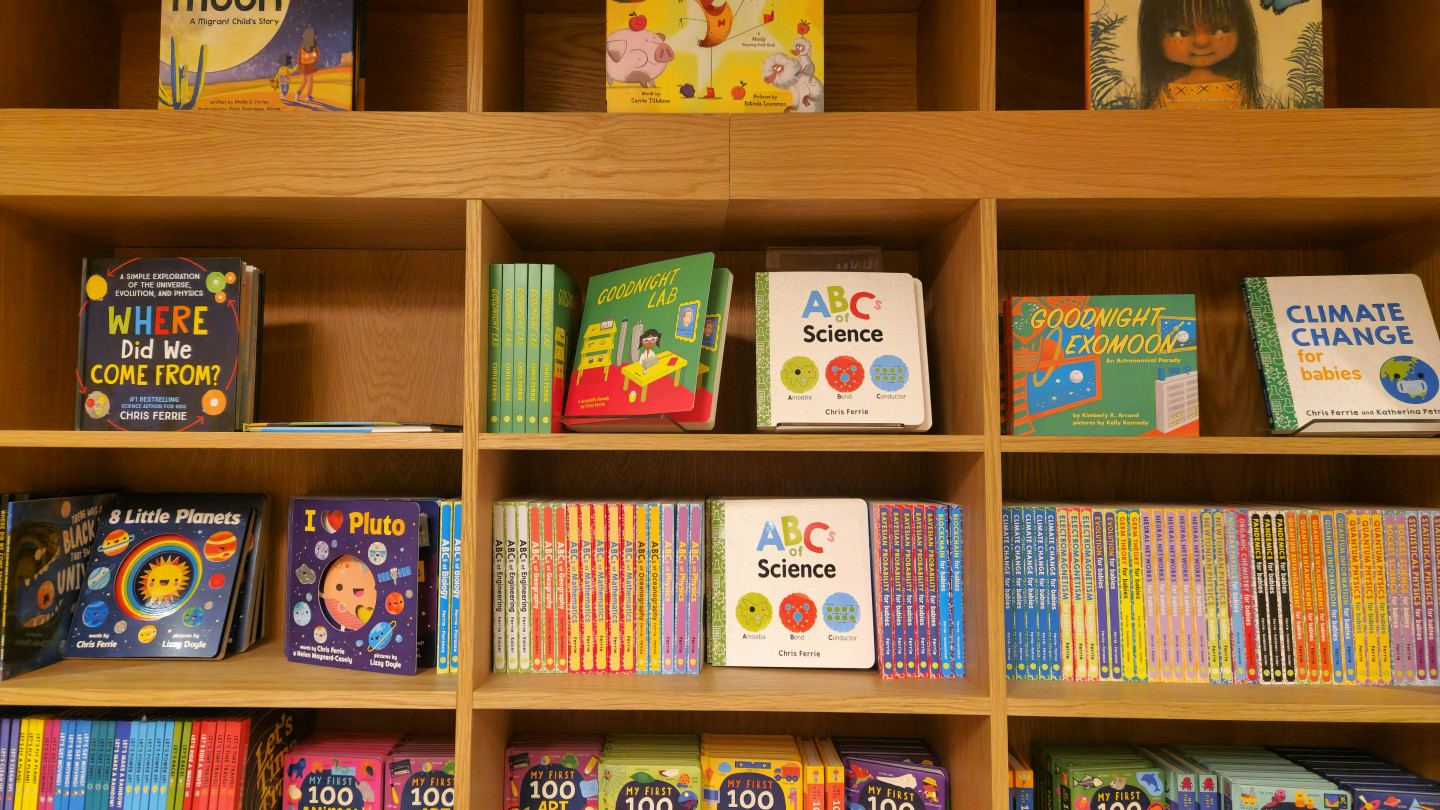
ECEC and pre-primary education units in Helsinki that receive additional needs-based funding are taking part in an intervention study on literacy skills and interest in reading (LuKiVa), launched in January 2026. The needs-based funding that aims to reduce regional differences across the city. Those units have been randomly assigned to either an experimental group or a control group.
The study is motivated by broader concerns about declining literacy: several studies show that the literacy of Finnish children and young people has declined, along with their interest in reading. Language and literacy skills can, however, be developed before children reach school age, primarily with the support of adults.
“Reading books with children strengthens language skills, and it has also been shown to increase children’s interest in reading,” says professor Minna Torppa from the University of Jyväskylä.
Daily reading strengthened
In the experimental units, children between the ages of 5 and 6 participate in reading sessions several times a week. Some of the reading sessions are informal, for example, reading aloud to the whole group. Other reading sessions use the dialogic reading method in small groups, which research has shown effectively supports the development of children’s language and literacy skills as well as their interest in reading and books.
At the core of the method is interaction. Rather than simply reading aloud, children are encouraged to participate actively during the reading session: to think, ask questions, respond, and construct meaning together with an adult.
“Dialogic reading can inspire both children and adults to engage in entirely new conversations about a story’s characters and events,” says Tiia Lindfors, a doctoral researcher at the University of Turku. “These shared discussions increase children’s active participation and, at their best, can deepen the interaction between child and adult, as they take the time together to explore the child’s initiatives calmly and without rushing.”
The literacy skills of the children participating in the study were assessed at its start in January, with a final assessment to take place in May. In addition, early childhood education teachers will also evaluate the children’s interest in reading and their engagement during the reading sessions.
Daycare reading practices also explored
In the control groups, children’s literacy skills are supported in the usual way throughout the study.
“Supporting reading, along with reading readiness and multiliteracy skills, is already part of the daily activities of early childhood education and care, guided by the children’s interests,” explains Iina Hanka, special planner for the City of Helsinki. “The staff model reading, encourage curiosity and discussion, and ensure that language expression is also evident in the learning environments.”
Supporting the language and literacy skills of pre-school children and sparking their interest in reading is, above all, the responsibility of the adults around them.
“Children’s language and literacy skills do not develop solely by reading books, but primarily through how adults in everyday life talk about, discuss, and explain texts to children,” says Miia Kemppi, director of ECEC for the City of Helsinki. “That is why the study also examines the types of reading practices and methods that early childhood education staff use in the everyday routines of daycare centres.”
Strong research collaboration to promote reading
A key priority of the 2025–2029 Helsinki City Strategy is to strengthen the literacy skills of children and young people and to promote reading. This work is being carried out across all service sectors.
“Reading aloud is one of the most important tasks in early childhood education and care for fostering children’s interest in reading and supporting their language development,” says Kiia Hakkala, a pedagogical specialist.
The study, led by the University of Jyväskylä, is being conducted in collaboration with the City of Helsinki’s Education Division, Aalto University, and the University of Turku. It is part of the EDUCA (Education for the Future) Flagship, funded by the Research Council of Finland, which conducts carefully planned interventions in close collaboration with municipalities, political decision-makers, and other stakeholder groups.


