
Dissertation: Sustainable management of northern lakes considers species interactions and the body size of fish (Kangosjärvi)
High-latitude lakes are unique ecosystems that provide important nature values, recreational opportunities, and economic benefits. They are typically nutrient-poor and dominated by a few species, meaning that even small changes in the environment may influence the entire ecosystem.
In her dissertation, Henna Kangosjärvi studied how lake size, air temperature, and fish community composition shape food web dynamics in high-latitude lakes. The research also examined how environmental variation influences ontogenetic niche shifts, i.e., changes in diet over increasing body size, of Arctic charr and brown trout.
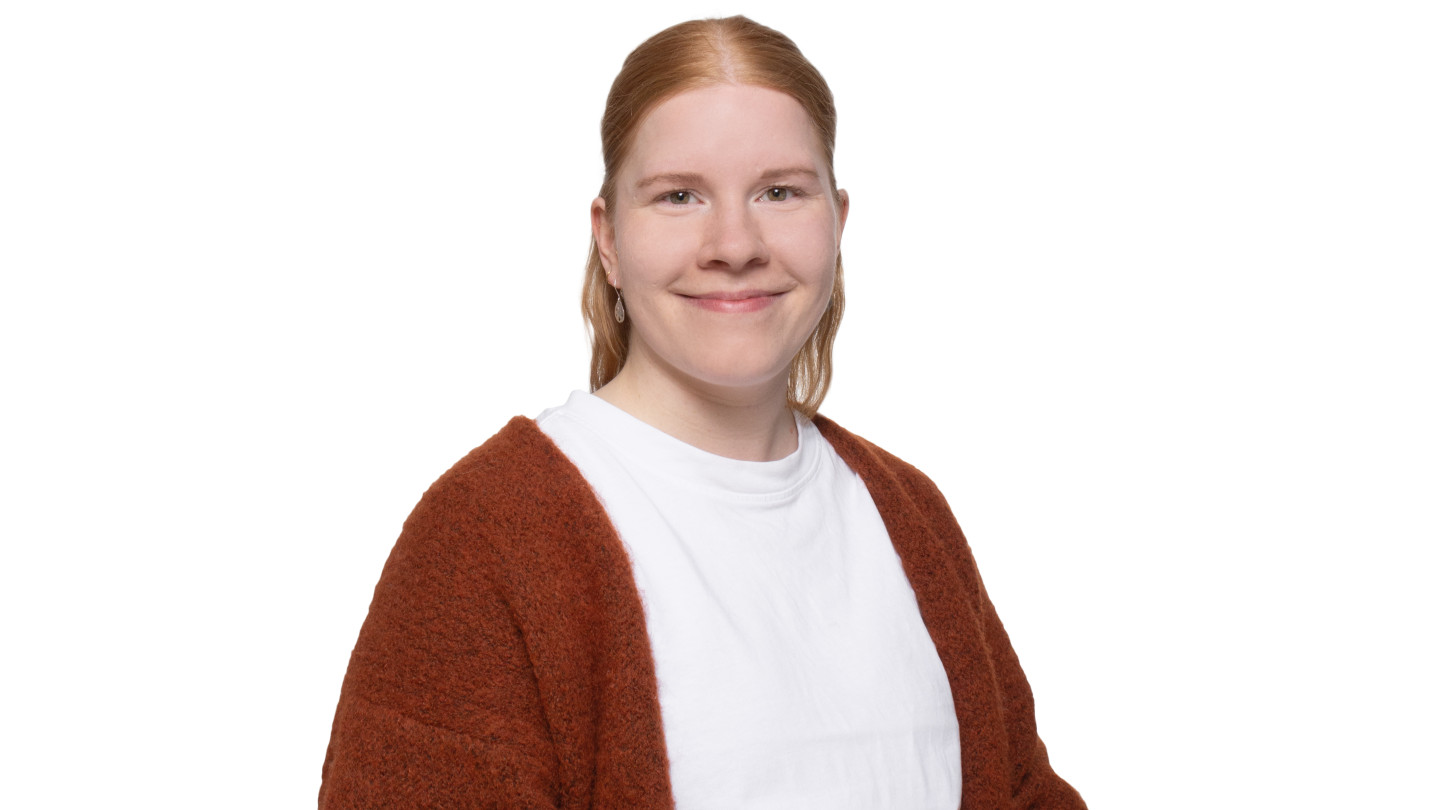
- I used extensive data from more than sixty lakes in Norway, Finland, and Sweden. The study provides new knowledge on how different environmental factors influence the feeding behaviour of northern fish species and the functioning of food webs in a changing environment, explains doctoral researcher Henna Kangosjärvi from the University of Jyväskylä.
Fish communities shape food webs
The results highlighted that the trophic niche of salmonids depended mostly on fish community composition and the body size of fish. Lake size and air temperature had only a minor direct effect on the trophic niche of Arctic charr and brown trout. In lakes with multiple fish species, Arctic charr shifted from feeding on zooplankton to feeding on littoral benthic invertebrates with increasing body size. Brown trout shifted to higher trophic positions and piscivory with increasing body size.
- I observed that fish community composition influenced salmonid feeding more than lake size or air temperature. This finding may help to better target management and conservation actions in high-latitude lakes, says Kangosjärvi.
No evident negative impact of invasive minnow on native trout
The study also investigated how invasive Eurasian minnow may impact native brown trout in Swedish lakes. The results showed that small brown trout used similar food resources as minnow but, as they grew, partially shifted to preying on minnow.
- Despite possible competition during the juvenile stage, brown trout grew faster in lakes with minnow. This suggests that invasive minnow does not have an immediate negative impact on brown trout populations, Kangosjärvi explains.
Species and size-specific differences must be considered in conservation
The dissertation emphasises that both fish community composition and size-specific variation should be considered in the management of high-latitude lakes.
- Small and large fish have different roles in the ecosystem. They also require different habitats and food resources, which should be considered in lake management, summarises Kangosjärvi.
The public examination of MSc Henna Kangosjärvi’s doctoral dissertation “Environmental drivers of high-latitude lake food webs and the trophic niche of salmonid fishes” will take place on Friday, 5 December 2025, at 12:00 in room YAA303 of the Department of Biological and Environmental Science. The opponent will be Associate Professor Louise Chavarie (Norwegian University of Life Sciences) and the custos will be Academy Research Fellow Antti Eloranta (University of Jyväskylä). The defence will be in English.
The event will be streamed live online:
Follow the event via live stream on Moniviestin
The dissertation “Environmental drivers of high-latitude lake food webs and the trophic niche of salmonid fishes” is available in the JYX publication archive: https://jyx.jyu.fi/jyx/Record/jyx_123456789_107056?sid=223246480


