
Dissertation: The Impact of Advancing Explainability in Educational Data Mining and Learning Analytics: A Study of Its Interplay with Fairness and Performance
What did you study?
Artificial intelligence is increasingly used in education to predict student performance, identify learners who may need support, and assist educational decision-making. However, highly accurate machine learning models can be difficult to understand, may produce unequal outcomes for different groups of students, and can raise ethical and regulatory concerns.
I investigated how explainability, fairness, and predictive performance interact in educational AI, particularly within educational data mining and learning analytics. The dissertation combines literature reviews, methodological development, and empirical machine-learning studies using real educational datasets. It examines how explainability methods such as LIME and SHAP can be applied and evaluated, how fairness interventions affect model performance and explanations, and how these technical issues connect with broader ethical, privacy, and regulatory requirements.
What were the results of your research or What is its main finding?
The main finding is that explainability, fairness, and predictive performance cannot be evaluated independently when developing AI for education. They are strongly interconnected, and improving one aspect can influence the others. The studies also showed that different explainability approaches have different strengths. For example, LIME can provide flexible explanations for individual predictions but showed lower stability, whereas SHAP produced more consistent and reliable explanations. Fairness interventions such as equalized-odds post-processing substantially reduced disparities between student groups, although this could involve small reductions in accuracy or F1-score. Importantly, fairness interventions were also associated with improvements in the consistency and fidelity of explanations, showing that fairness and explainability may sometimes support rather than simply compete with one another.
How can the results be applied? What new insights did the research contribute to the topic?
The results can help researchers, developers and educational institutions evaluate AI systems more responsibly. Instead of choosing models based only on accuracy, they can assess performance, fairness and explainability together. The dissertation contributes an integrated evaluation perspective and shows that improving fairness can also affect the quality and consistency of explanations. This supports the development of educational AI that is not only accurate, but also transparent, fair and suitable for real-world use.
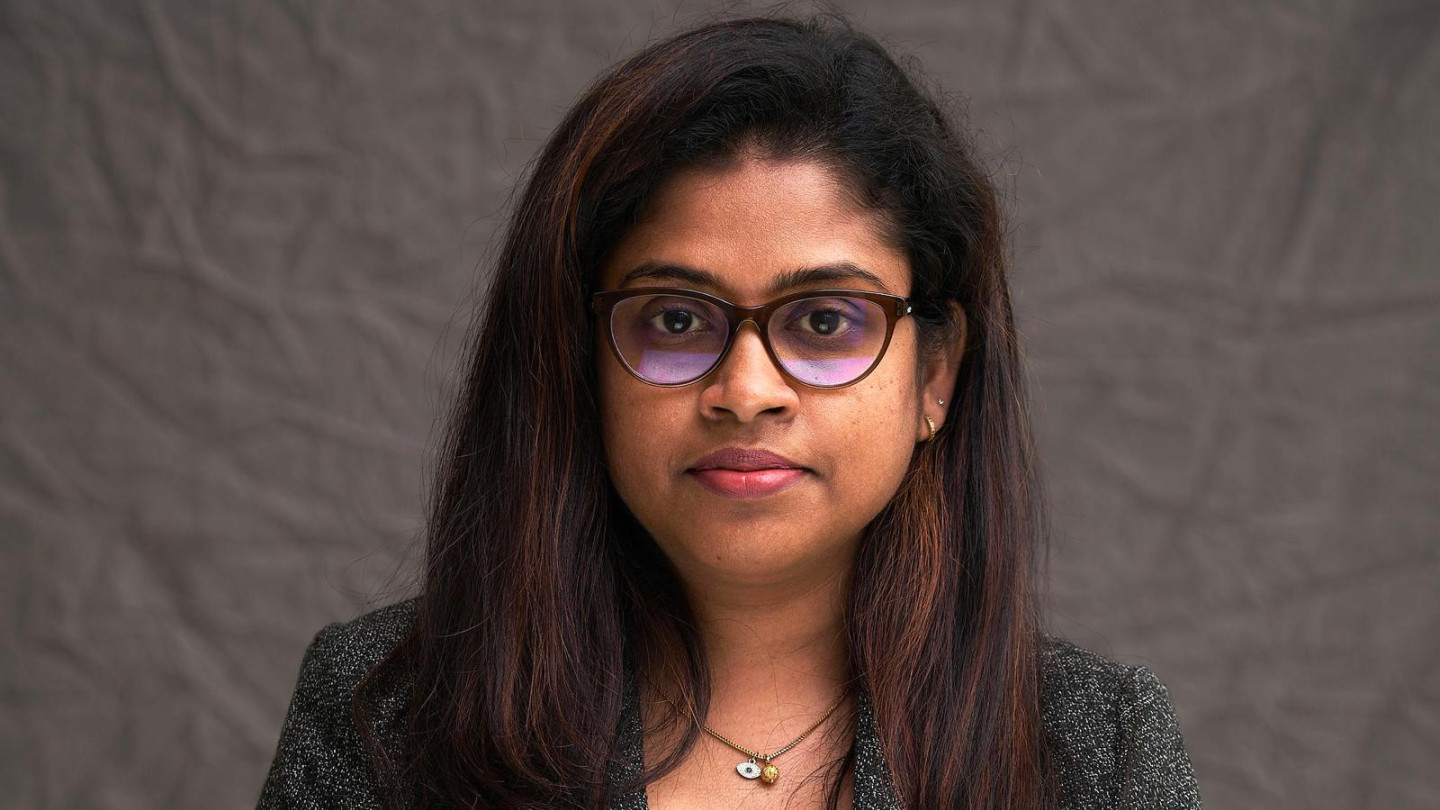
M.Sc. Sachini Gunasekara defends their doctoral dissertation in Computing and Education ”The Impact of Advancing Explainability in Educational Data Mining and Learning Analytics: A Study of Its Interplay with Fairness and Performance” on 5 October 2026. Opponent is Associate Professor Mohammad Khalil (University of Bergen, Norway) and Custos is Assistant Professor Mirka Saarela.
The language of the event is English. The event can be followed in hall D121.1 or online.


