
Fabrics with superpowers: antimicrobial textiles kills viruses and bacteria
Most everyday textiles, such as cotton, wool, and synthetic fabrics, have limited antiviral or antibacterial abilities. The research focused on developing microfibrillated cellulose textiles with antimicrobial properties by adding substances during fiber production. The antimicrobial functionalized textiles can reduce the pathogen loads and possibly limit the transmission.
The study examined three different antimicrobial agents. Lignin, silver salt and sodium dodecyl sulfate were evaluated to be efficient against multiple tested pathogens. These agents were added into the fiber material in collaboration with Spinnova, a Finnish textile material innovation company before the fibers were produced, creating functionalized antimicrobial textiles.
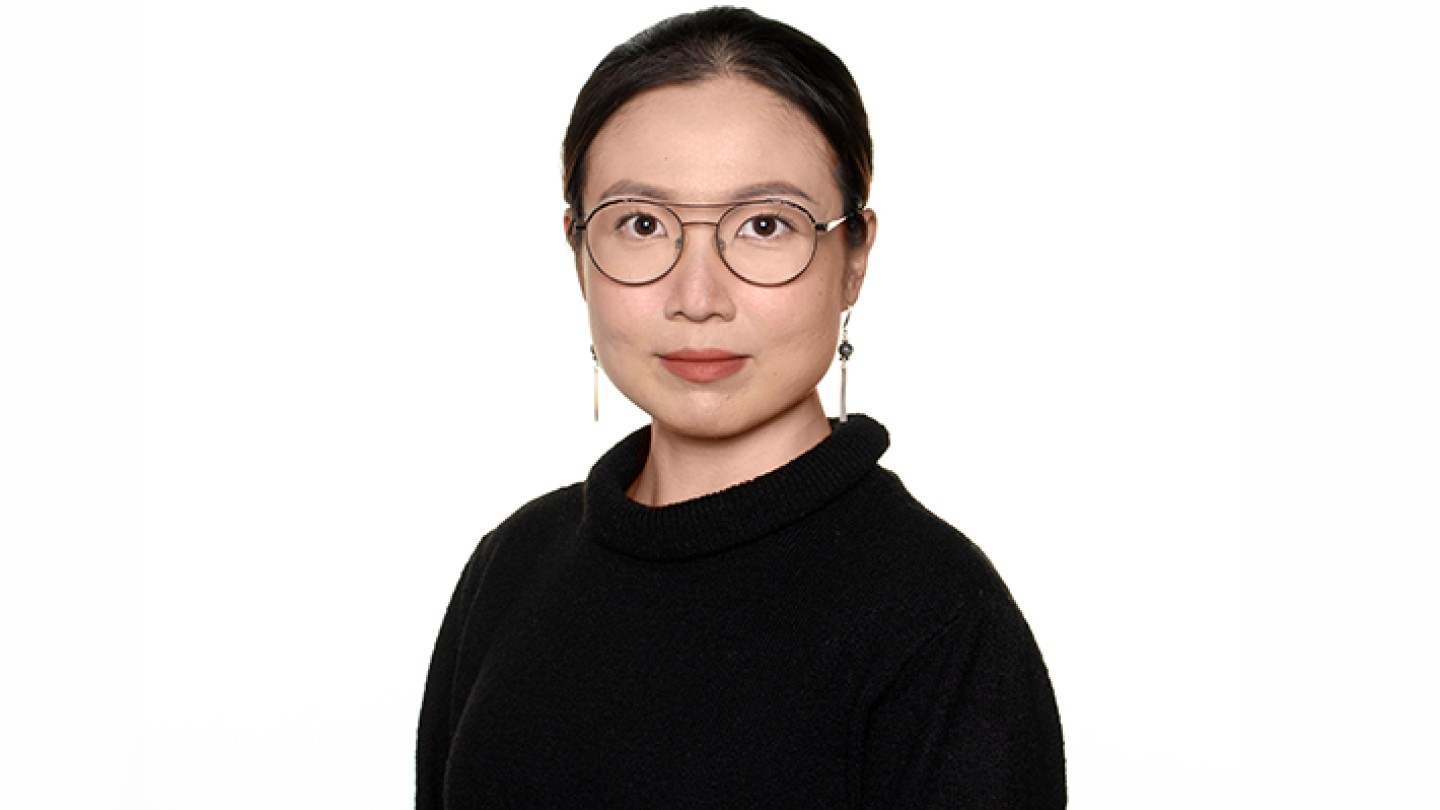
- The resulting fibers and fabrics inactivated several pathogens, including coronaviruses, enteroviruses, Gram-positive and Gram-negative bacteria species, explains Doctoral Researcher Jun Liu from the University of Jyväskylä.
The antimicrobial effect continued despite multiple washings
Laboratory testing showed that the antimicrobial fabrics effectively inactivated these microorganisms by disrupting the structural integrity of viral particles and bacterial cells. Importantly, the antimicrobial performance proved highly durable. The textiles maintained their efficacy after multiple washing cycles and until up to 12 months of aging, highlighting their suitability for practical, long-term use.
- My research showed that antimicrobial agents can be introduced directly into textile fibers to create durable fabrics that can inactivate viruses and bacteria. This provides a practical way to reduce pathogen contamination on textile surfaces and may help lower the risk of disease transmission through contact with contaminated fabrics, says Liu.
The research offers promising applications in healthcare, public environments, and everyday consumer products.
Information about the dissertation defense
M.Sc Jun Liu defends her doctoral dissertation on 27.11.2026 at 12:00 at Ylistönrinne Campus in lecture hall YAA303. Opponent is Doctor Tero Ahola (University of Helsinki) and custos is Professor Varpu Marjomäki (University of Jyväskylä). The language of the defense is English.
The dissertation is available at https://jyx.jyu.fi/jyx/Record/jyx_123456789_115109?sid=941795215


