
Nearly half of adults over 70 benefited from physical training across multiple physical outcomes
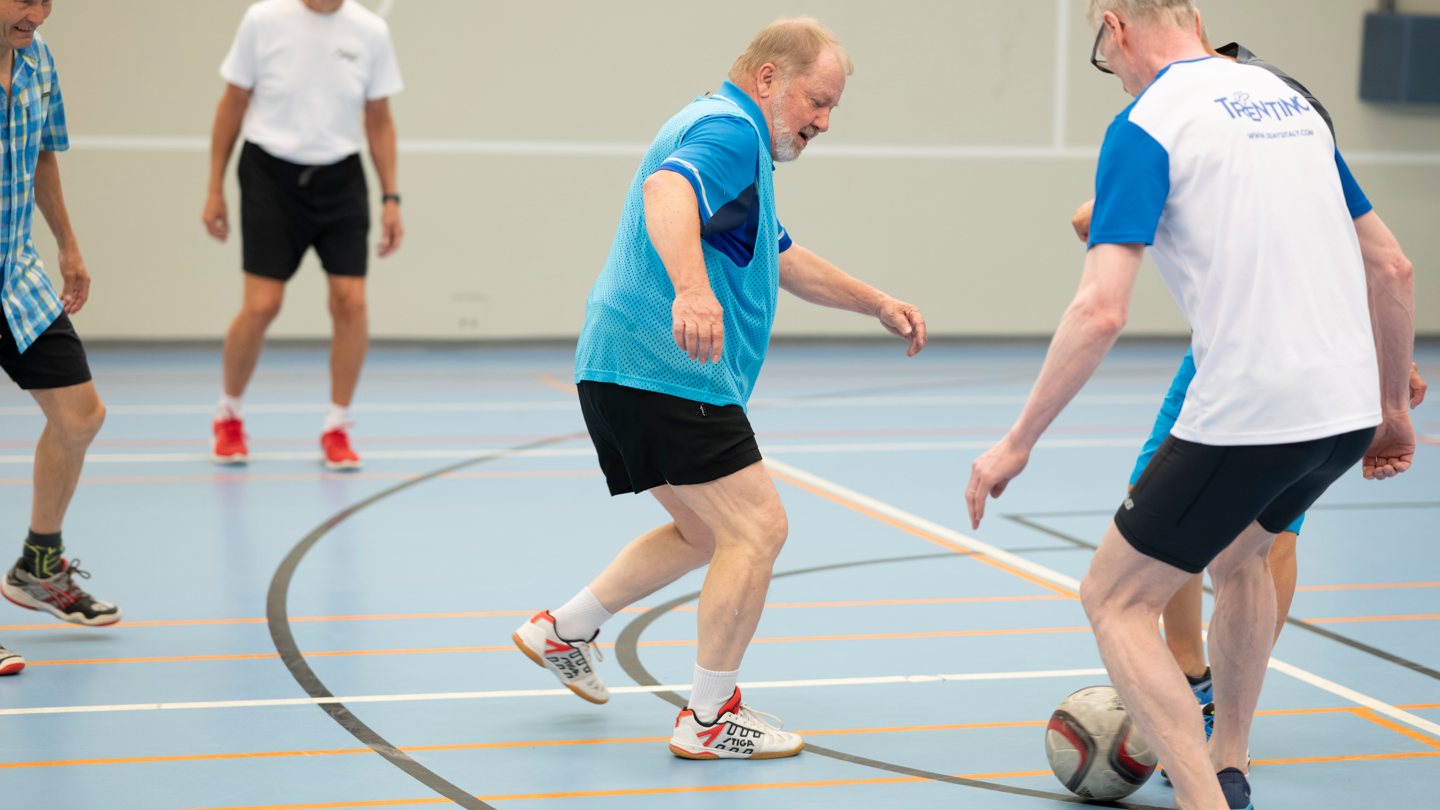
The study included 314 participants aged over 70 who completed a 12-month exercise program. Researchers examined individual responses to training and the factors associated with successful outcomes.
Benefits extended beyond single measures
At the group level, the program improved muscle strength, walking speed, and walking endurance, while no overall change was observed in muscle mass.
However, individual responses varied substantially.
“Some participants experienced considerable benefits, while others showed little change or even declines in certain measures,” says researcher Onni Hämäläinen from the University of Jyväskylä.
When multiple outcomes were considered together, nearly half of the participants achieved meaningful improvements in several indicators of physical functioning.
Multiple measures are needed to assess success
A key finding was that exercise benefits manifest differently across individuals. Improvements in one area, such as walking ability, may occur even if changes in another area, such as muscle mass, remain modest.
The researchers emphasize that exercise interventions should be evaluated using a broad range of outcomes, including physical performance, health, functional capacity, well-being, and quality of life.
The findings also underline the importance of adherence to training programs. Supporting long-term participation by taking individual preferences, opportunities, and barriers into account may help maximize benefits.
Strength training plays a central role
Participants were more likely to achieve positive outcomes across multiple measures if they were younger, had a lower body mass index, adhered more closely to strength training, or had multiple chronic conditions.
Importantly, the results suggest that chronic diseases and multimorbidity do not prevent older adults from benefiting from exercise. The study also identified adherence to strength training as a key factor in achieving successful outcomes.
The original study was published in the European Journal of Applied Physiology. Hämäläinen, O., Sipilä, S., Tirkkonen, A., Savikangas, T., Alén M. & Hautala, A. 2026. Individual variability and predictors of responsiveness in physical outcomes following multicomponent physical training in older adults. European Journal of Applied Physiology. https://doi.org/10.1007/s00421-026-06475-4


