
New Study Reveals How Journalists Navigate Risk to Cover Crises in the Digital Age
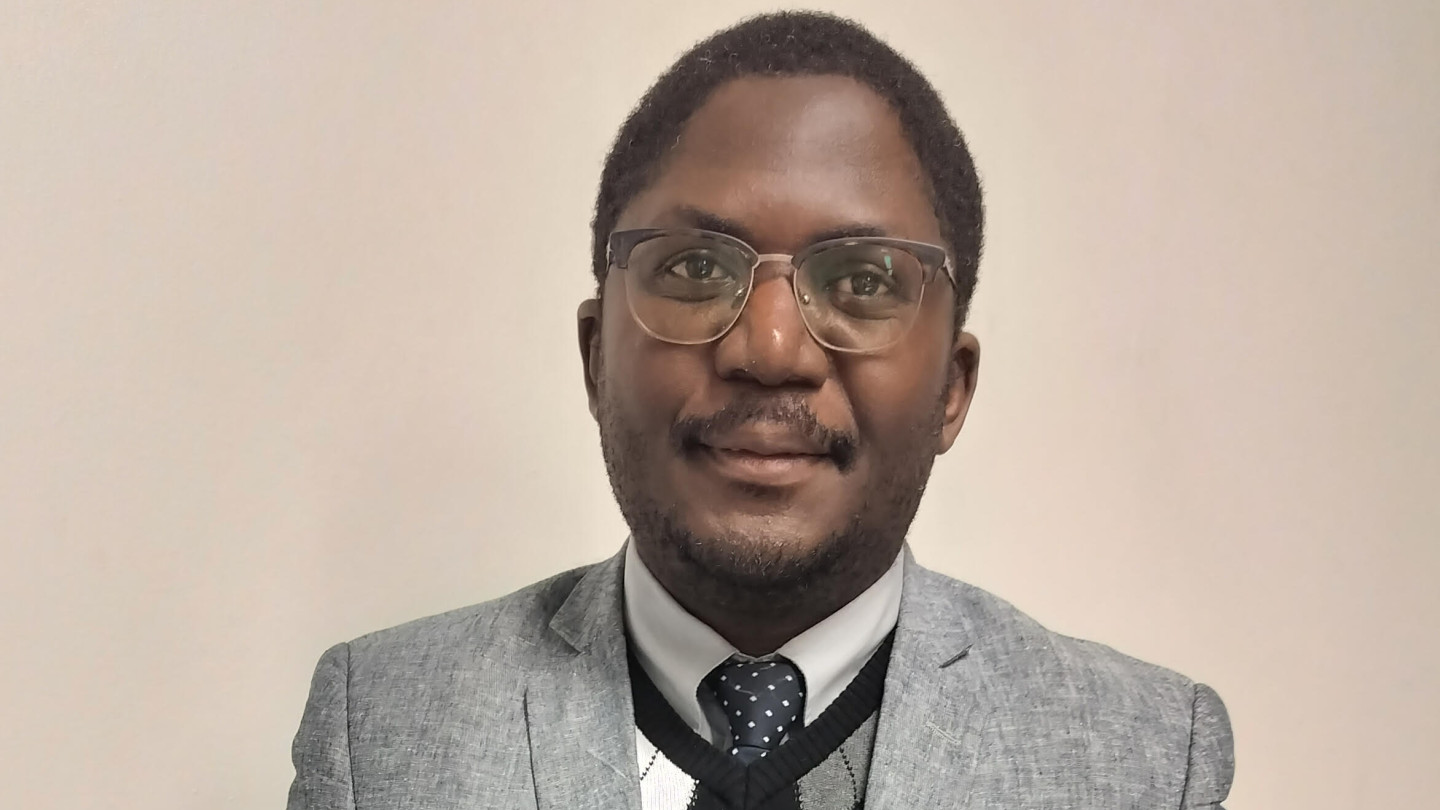
Nfor’s research explores how professional journalists navigate an environment that increasingly intersects with citizen journalism, digital platforms and political control. Based on qualitative interviews with journalists and media practitioners, the study suggests that the Anglophone Crisis in Cameroon that broke out in 2016, is not only a political and humanitarian conflict, but also an information crisis.
“Journalists are expected to report quickly and accurately, although they are faced with misinformation, limited access to conflict zones and pressure from both state and non-state actors,” Nfor explains.
Interdependence between legacy media and citizen journalists
According to the study, crisis reporting in Cameroon takes place within a hybrid media environment, which reveals the interdependence betweenlegacy media and citizen journalists. While citizen journalists provide firsthand information in the form of tip-offs, images, and videos from areas that professional journalists cannot easily or safely reach. Legacy media organizations, on their part, contribute through professional judgment, verification, and contextualization.
Nfor also examines how journalists verify information in a fast-paced and politically sensitive reporting environment. The findings show journalists’ continued dependence on interpersonal networks such as colleagues, eyewitnesses and government officials, despite the availability of new digital verification tools. The research also notes generational differences in verification practices.
“Early-career journalists tend to adopt digital tools and online platforms more readily, while senior journalists often favor established verification methods and trusted personal contacts.”
Coping under pressure and control
The study also focuses on how journalists’ experiences of control and intimidation influence the way they report. Journalists reporting on the Anglophone Crisis often find themselves caught between government authorities and secessionist groups. The actions of either opposing camps, as revealed,influence journalists' reporting decisions.
To cope with these pressures, journalists adopt various strategies that range from undercover reporting, using alternative platforms, self-censorship and reporting from exile. Based on these findings, Nfor introduces the pressure response reporting model which describes how sustained pressure reshapes journalistic routines and professional decision-making.
Nfor’s dissertation contributes to Journalism Studies by offering an in-depth analysis into crisis reporting in a country in the Global South, considering the limited scholarly attention that this has received. The findings also underline the need for stronger institutional support for journalists who face challenges of safety and access to information.
The examination of Edwin Nfor’s doctoral dissertation “Political Crisis Reporting in Era of Media Interdependence: Examining Various Facets of Media Hybridity in the Cameroon Anglophone Crisis” will be held on Saturday, February 14, 2026, at 12:00 noon in the main lecture hall C1 (main building), in Seminaarinmäki campus of the University of Jyväskylä. The opponent is Assistant Professor Johana Kotišová (University of Amsterdam), and the Custos is Professor Turo Uskali (University of Jyväskylä). The language of the examination will be in English.
The event can be followed online: https://r.jyu.fi/dissertation-nfor140226
The dissertation is in the JYX archives: https://urn.fi/URN:ISBN:978-952-86-1275-9


