
From research to leadership – Ritva Mikkonen’s career path from Minnesota to Vuokatti
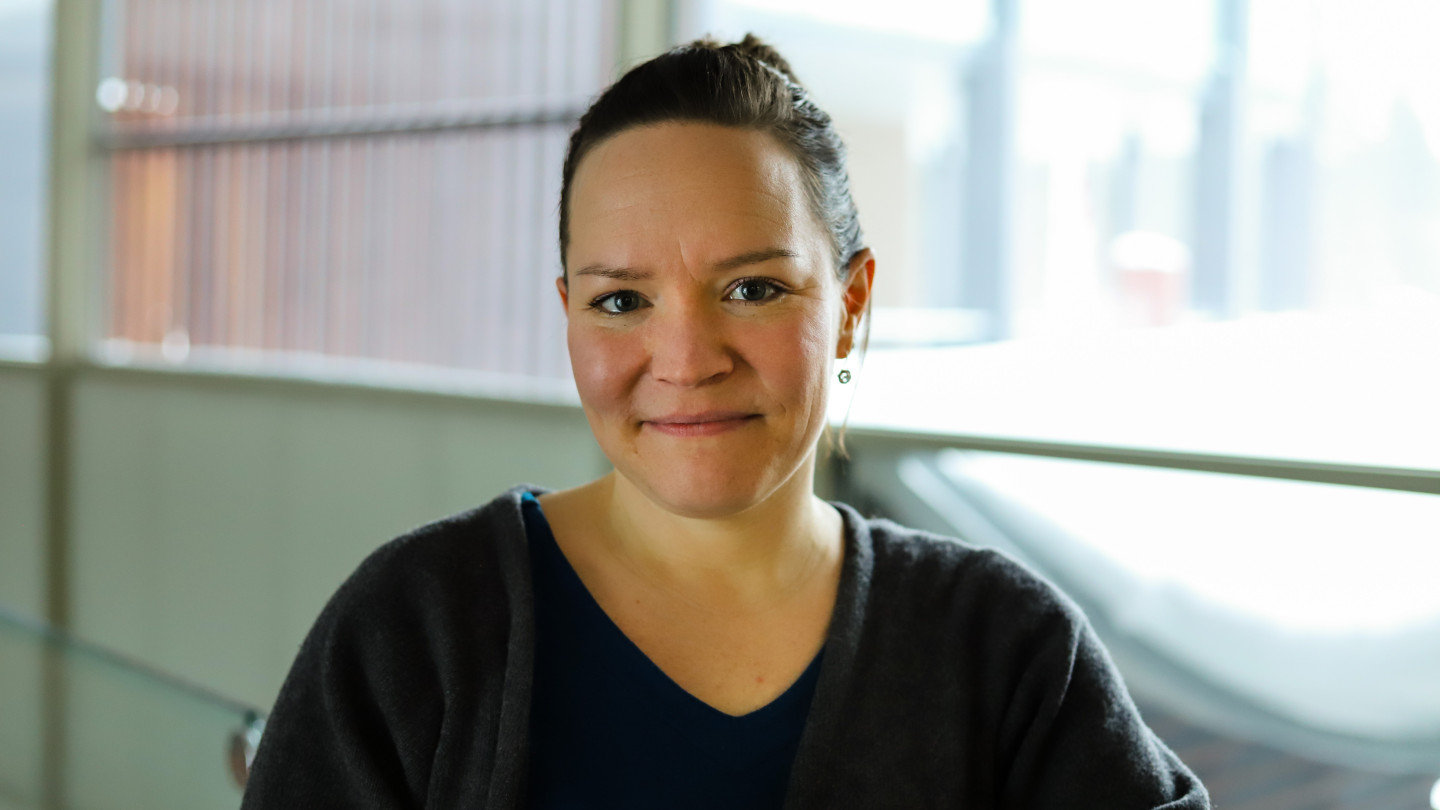
I was encouraged to pursue science already in my youth, had excellent role models, and developed a strong thirst for knowledge. One of these role models was my fifth-grade teacher, who specifically encouraged girls and women to explore science.
In the United States, I competed in cross-country skiing alongside my studies in high school and university, as well as in ski clubs (Silver Skis and Vakava juniors/racing). I first travelled to Vuokatti in 2000 with the Silver Skis ski club, not knowing at the time that I would one day return and start a family there.
After completing my bachelor’s degree in sport and exercise sciences at Gustavus Adolphus College in Minnesota, one of my options was to continue my studies at the Faculty of Sport and Health Sciences at the University of Jyväskylä. I was offered a place in the international master’s degree programme in biology of physical activity, which I accepted, and I moved to Finland in 2007. At the time I was considering a career in coaching, so I chose to specialise in sport coaching and fitness testing.
My interest in science, however, led me directly to doctoral studies, and in 2013, I earned my PhD in sport and exercise sciences.
Bringing attention to research on women in sports
In my doctoral research I explored concurrent strength and endurance training in recreational endurance runners. During this time, I also became interested in sex differences, particularly in hormonal function and its impact on sports and training.
I began to wonder whether training recommendations based on studies among males also apply to females. My hope was that research on strength and endurance training, and in general the field of physical activity, would be conducted more also in females, while considering hormonal changes across the lifespan when necessary.
This is something I have been able to advance through my own research. I have studied the effects of hormonal function, such as the menstrual cycle, hormonal contraception, and hormonal disorders, on performance and training responses. Such advancements have also been helped along because there are now more women working the field of sport and exercise science. Indeed, the people participating in our studies often resemble ourselves
It’s important that coaches and other members of an athlete’s support team understand that some athletes experience challenging symptoms during their menstrual cycle. These can, though indirectly, affect performance, and the experience can also vary greatly between individuals.
Influencing equality and the research agenda as a female leader
After completing my doctoral studies, I worked for a few years as a lecturer in physical education at Kajaani University of Applied Sciences (KAMK) and qualified as a teacher at Jamk. Despite my teaching responsibilities, I maintained close ties with the Faculty of Sport and Health Sciences, particularly through Johanna Ihalainen, and continued to advance my own research.
It was only natural to return to the Sport Technology Unit in Vuokatti, which is part of the Faculty of Sport and Health Sciences, first as a project manager. In this role, I was able to turn my focus to research and supervise doctoral students, the first of whom will defend their dissertations this spring. In 2023, I received the title of docent from the University of Oulu, and at the end of 2025, the Ministry of Education and Culture awarded me the Piikkarit Award for my work in advancing gender equality in physical activity and sports.
In recent years I have been closely involved in the development of the Sports Technology Unit and have completed the University of Jyväskylä’s management training programme. As the staff of the Sports Technology Unit grew, I advanced to deputy director at the beginning of 2024 and became the unit’s director at the beginning of 2026.
The world of sports has been predominantly male, especially in leadership positions. While progress has been made toward equality in sports, there is still much work to be done.
Now I have the opportunity to make an impact in a leadership role. As a woman, I can lead our unit, facilitate multidisciplinary research, promote equality, and advance it through my own work.


