
Does losing weight make an athlete tougher?
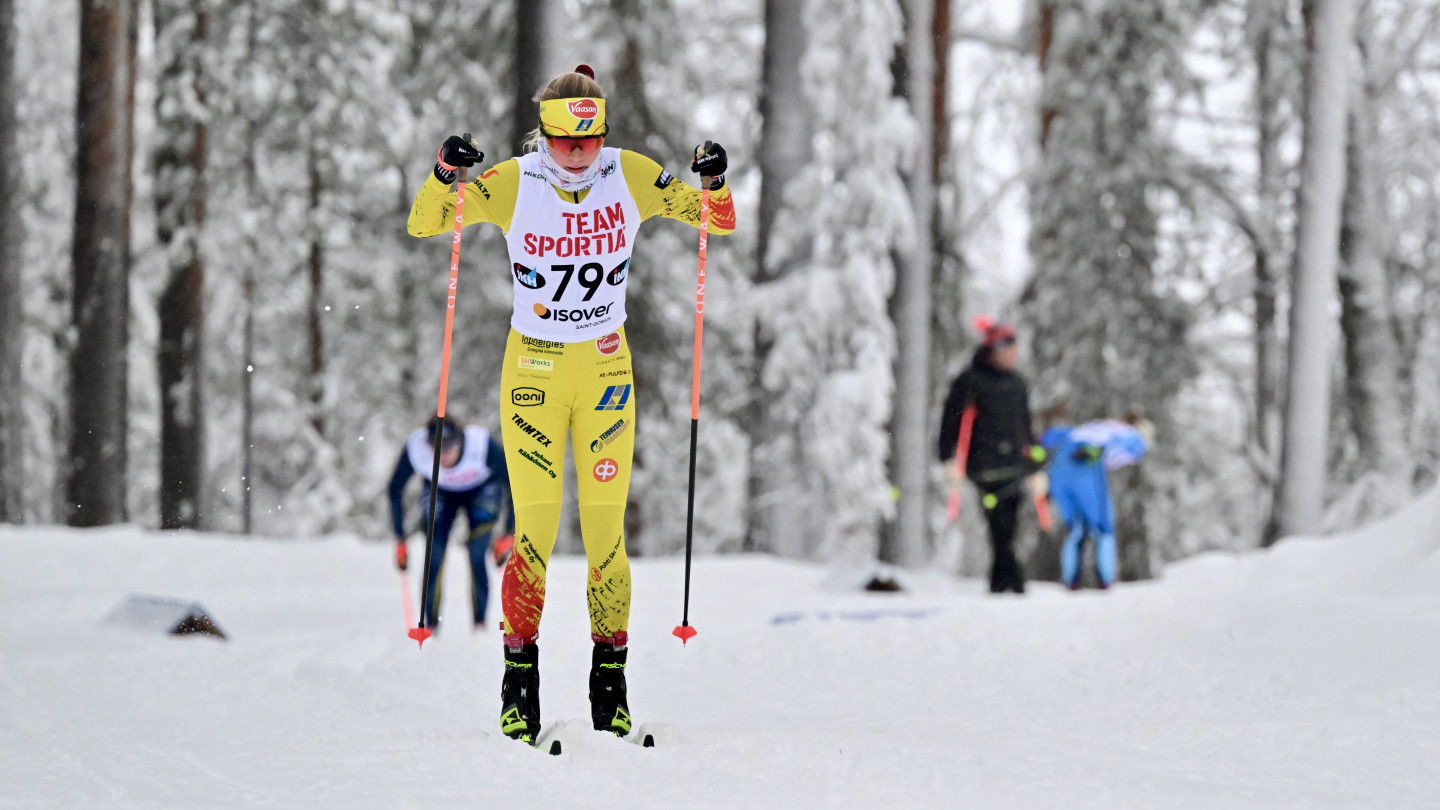
In endurance sports such as running and cross-country skiing, a lighter body weight can improve relative power generation and reduce energy consumption. However, losing weight requires an energy deficit, which can negatively impact health and performance. Therefore, weight optimisation always involves balancing the benefits and risks. In addition to weight, body composition can also impact an athlete’s performance.
A study conducted by the University of Jyväskylä and the Finnish Institute of High Performance Sport (KIHU) investigated whether changes in weight and body composition affect the performance of elite endurance athletes. A total of 52 Finnish runners and skiers took part in the study, and their body composition and performance were measured during the base training and competition preparation phases.
Performance improves through training – reducing body fat percentage brings additional benefits
On average, athletes’ weight and body composition remained unchanged from the base training phase to the competition preparation phase. In treadmill exercise tests, maximum speed and maximal oxygen uptake improved between measurement points regardless of the type of sports and gender.
“This proves that performance can improve as a result of successful training, even if weight or body composition remains unchanged,” says Project Researcher Oona Kettunen from the Vuokatti Sports Technology Unit of the University of Jyväskylä.
However, correlation analyses revealed that reducing body fat percentage and fat mass correlated with maximum speed during the treadmill test. Reducing body fat was found to have positive correlation regardless of the type of sport or gender.
In terms of weight, however, the correlation was weaker and statistically irrelevant. On the other hand, an increase in fat-free mass in sports-specific muscle groups appeared to positively affect performance, particularly among female athletes.
“Many athletes and coaches believe that losing weight improves performance,” says Kettunen.
“But based on the results, it seems that the majority of female endurance athletes benefit more from training and dietary habits that help convert fat tissue into muscle tissue than from losing weight.”
Nevertheless, it is important to note that the results do not reveal whether the improvement in performance is a direct result of changes in body composition or if both are simply a result of successful training.
Weight optimisation is not part of youth sports
The study only included adult high-performance athletes because commenting on and optimising weight and body composition is not part of youth sports.
“It is extremely important that young athletes focus on adequate nutrition to support their training, growth and development,” says Kettunen.
“Optimising weight and body composition involves significant health and performance risks. These practices should only be undertaken under expert guidance at the peak of one’s athletic career, when every last second of performance must be perfected.”
This study was conducted by the University of Jyväskylä and the Finnish Institute of High Performance Sport KIHU as part of the NoREDS study, which investigated the prevalence, consequences and prevention of relative energy deficiency in Finnish elite athletes. The research was funded by the Ministry of Education and Culture and Urheiluopistosäätiö.
Publication: Oona Kettunen, Jussi Mikkola & Johanna K. Ihalainen. 2025. Associations between body composition and performance in elite endurance athletes. International Journal of Sports Physiology and Performance 20(11), 1530–1537
Read more: https://doi.org/10.1123/ijspp.2024-0506


