
Scientists Teach Helices to Switch Shapes
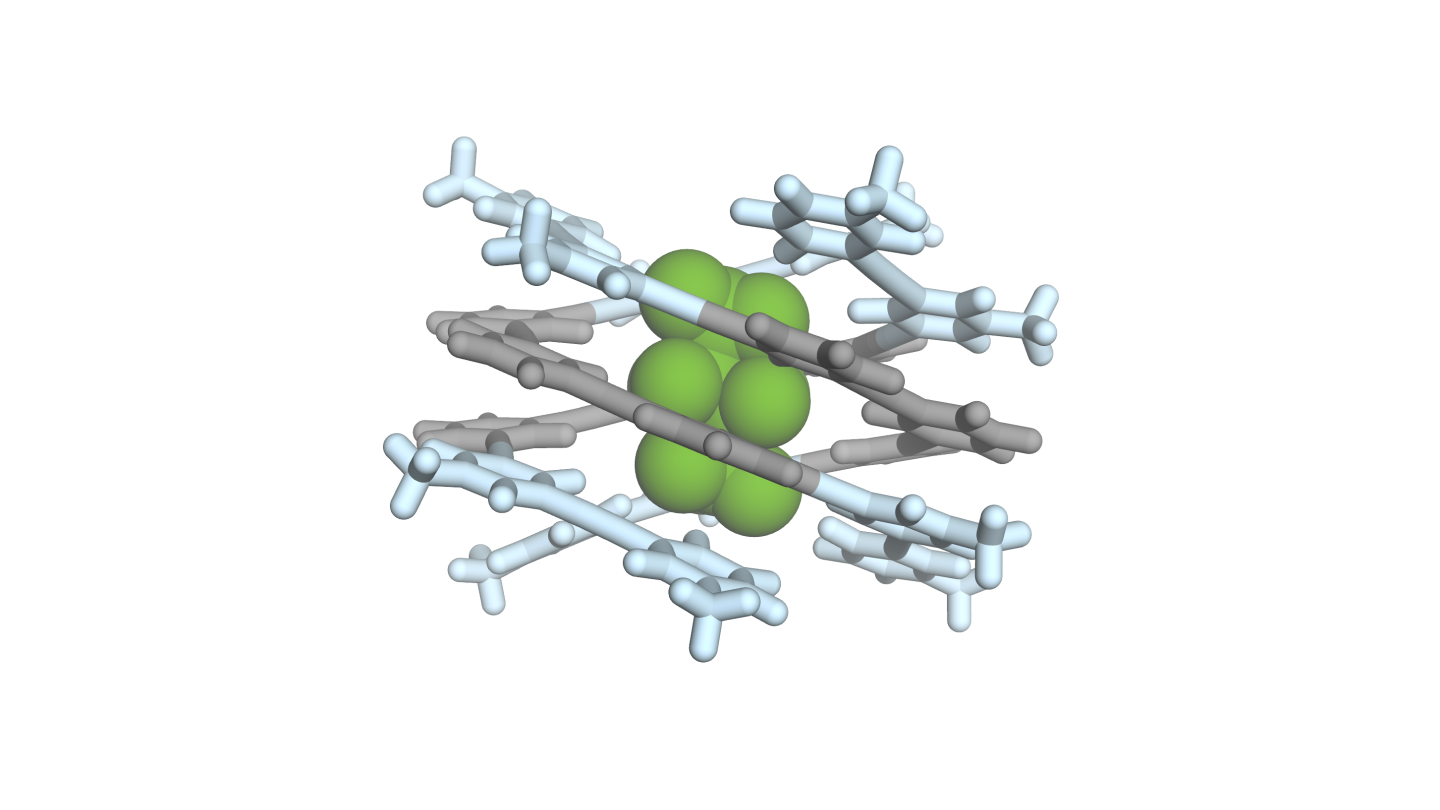
In nature, molecules like DNA can twist into different shapes: single, double, triple, or even quadruple helices. Some DNA sequences can change shape when conditions such as temperature or concentration vary, which affects how they function in living cells.
The team led by Associate Professor Fabien Cougnon wanted to mimic this flexibility in artificial systems. They developed a general method to control which type of helix forms by adjusting the order of charged and neutral units in short molecular strands. First, they designed a strand that only forms a double helix. Then they created a more complex system that can switch between a double and a triple helix when conditions change or when other molecules are added.
This research, published in Nature Communications, provides a blueprint for building programmable molecular systems that behave like biological molecules. Such systems could enable new classes of adaptive materials and devices. Interestingly, these helices also have internal cavities that can trap perfluorinated sulfonates. These compounds belong to the family of persistent pollutants polyfluoroalkyls (PFAs), suggesting potential applications in water purification and environmental cleanup.
Delcourt, D., Arumugaperumal, R., Verma, P. et al. Programmable Assembly of Multistranded Helices in Water. Nat Commun 16, 10955 (2025). https://doi.org/10.1038/s41467-025-67227-0


