
Research themes from mathematics and science as part of JYU.Well community
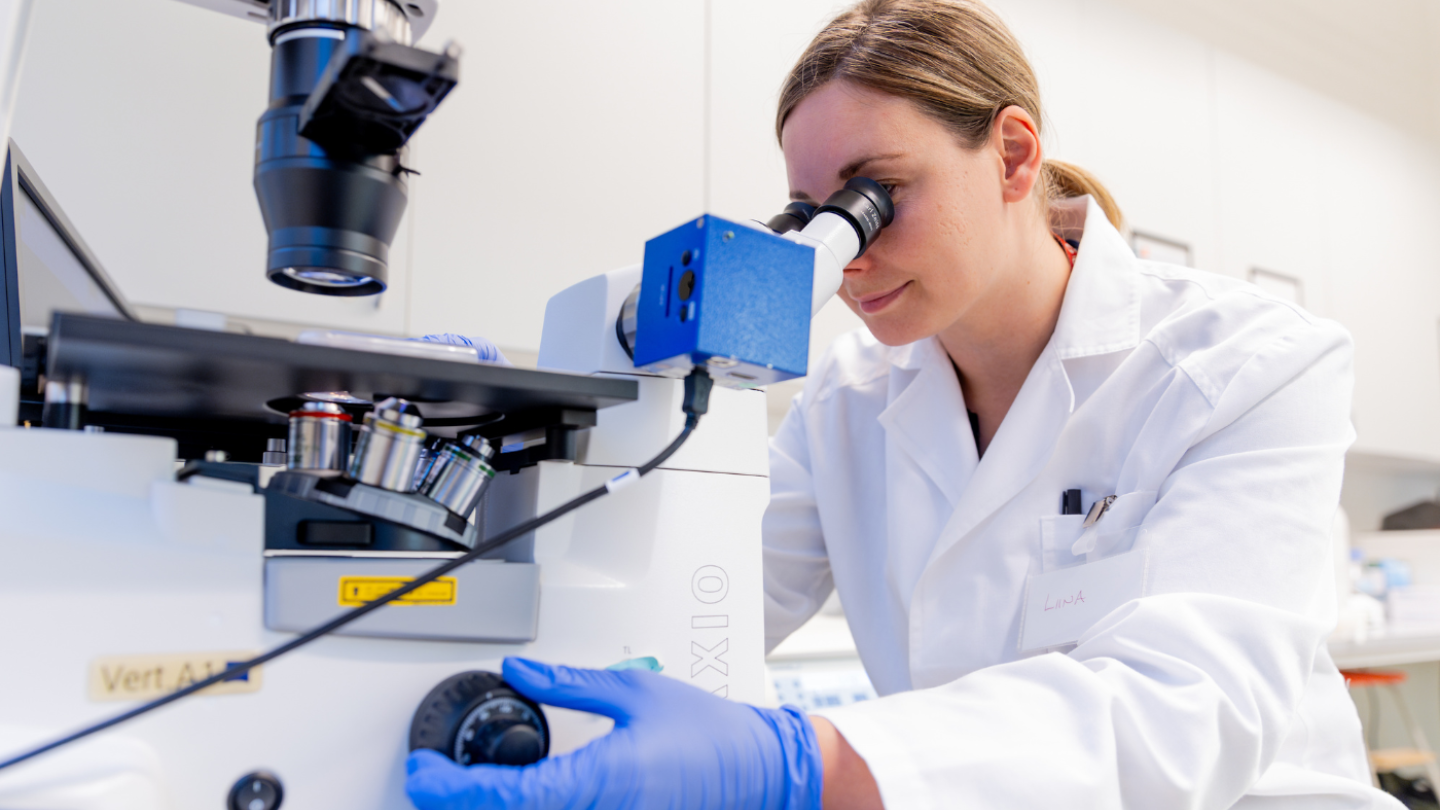
The Faculty of Mathematics and Natural Sciences is actively involved in the JYU.Well community. Tiina Jokela, Head of Research at the Department of Biological and Environmental Sciences, serves as a chair on the JYU.Well interdisciplinary board. In addition, many researchers from the faculty participate in JYU.Well’s multidisciplinary research and networking activities, as well as in the development of research initiatives that bring together different disciplines.
Research and education priorities from the perspective of wellbeing research
Biological mechanisms of health and disease
The Department of Biological and Environmental Sciences investigates the mechanisms at the cellular and molecular levels that influence health, ageing and the development of diseases. The research ranges from basic research to translational research and encompasses, for example, the biology of cancer, immunology, genetics and metabolism, as well as research into lifestyle and environmental factors affecting health. The aim is to understand why diseases develop and how they might be prevented, detected earlier and treated more effectively.
Nanosciences in health and wellbeing research
The Centre for Nanoscience at the University of Jyväskylä is a multidisciplinary research environment that brings together expertise in biology, chemistry and physics. Health and wellbeing is one of the centre’s research priorities. The research examines, amongst other things, the mechanisms of bacterial and viral infections, develops new antimicrobial solutions and diagnostic methods, and utilises nanoscience methods to understand biological systems. The Centre for Nanoscience is an excellent example of how expertise from different natural sciences can, when combined, produce new solutions to issues relating to health and wellbeing.
Biobank research combines biological, clinical and wellbeing data
The Central Finland Biobank provides a significant research infrastructure for health and wellbeing research. The biobank’s research leadership is based at the Department of Biological and Environmental Sciences, which strengthens research collaboration between the University of Jyväskylä and the Wellbeing Services County of Central Finland (HYVAKS). The biobank’s data enable biological samples to be linked to clinical data as well as, for example, genomic, lifestyle, functional capacity and other data relating to wellbeing. This opens up opportunities for interdisciplinary research into risk factors for diseases and early detection, as well as the promotion of health and wellbeing.
New degree programme combines natural sciences, health sciences and diagnostics
The Master’s Programme in Diagnostic Health Sciences, which began in autumn 2026, is a concrete example of cross-faculty collaboration. The programme is delivered in collaboration between the Faculty of Mathematics and Natural Sciences and the Faculty of Sport Sciences, and combines expertise in the natural sciences, health sciences and clinical laboratory and imaging diagnostics. The programme responds to the changing competence requirements of the healthcare sector and trains experts for roles in research, development, quality assurance, management and training within diagnostics.
Natural sciences as part of multidisciplinary wellbeing research
In addition to biological and experimental research, the strengths of the faculty lie in computational methods, data analytics and the quantitative study of various phenomena. Together with the other disciplines within JYU.Well, these enable a holistic view of wellbeing, in which biological mechanisms, behaviour, the living environment and societal factors are interconnected. JYU.Well provides a platform for combining these perspectives into new multidisciplinary research and educational initiatives.


